
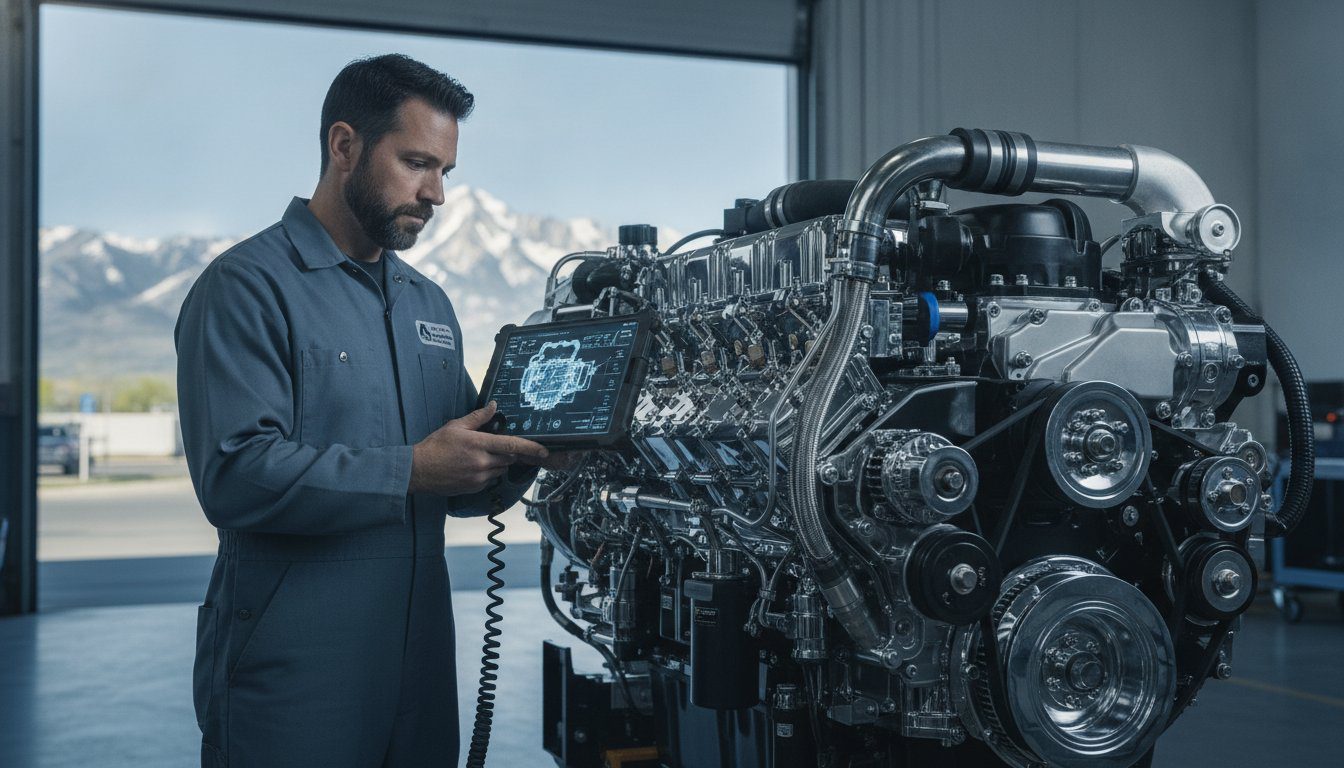
Commercial Diesel Maintenance Checklist: The 2026 Guide to Rugged Reliability

Unplanned vehicle downtime can drain your bottom line by up to $2,000 per day; yet many fleet owners still treat their commercial diesel maintenance checklist like a guessing game. You’ve likely felt the frustration of a truck sidelined during your busiest season because of a sensor failure or a clogged DPF. Modern emission systems have made engines cleaner, but they’ve also added layers of complexity that turn minor issues into expensive, multi-day repairs. It’s a high-stakes environment where a single missed inspection can lead to a $15,000 overhaul.
We understand that your fleet is the backbone of your business. This 2026 guide provides the professional-grade protocols you need to prevent catastrophic failures and keep your engines running for over 500,000 miles. We’re moving past basic oil changes to focus on aggressive soot management and thermal protection. This guide explains the “why” behind modern diesel failures and helps you identify when to handle a fix in-house or when to call in a specialist. You’ll gain a clear, no-nonsense roadmap to ensure your equipment remains as hardworking and dependable as you are.
Key Takeaways
- Learn why traditional 10,000-mile service intervals are insufficient for modern engines and how to adopt a systematic soot management approach.
- Use our comprehensive commercial diesel maintenance checklist to identify the silent killers of your engine, including fuel contamination and coolant degradation.
- Discover how proactive Exhaust Aftertreatment System care prevents the DPF failures that lead to forced derating and expensive downtime.
- Master the specific protocols required for Utah’s high-altitude driving, where steep mountain grades and extreme temperatures accelerate component wear.
- Identify why partnering with a master craftsman for warrantied repairs provides more accountability and protection than a generic corporate shop.
The Reality of Modern Diesel Engine Maintenance
Maintaining a heavy-duty fleet in 2026 requires more than a clipboard and a calendar. True diesel preventive maintenance is a systematic strategy designed to manage two primary enemies: soot and heat. Every time your engine fires, it creates a high-pressure environment that puts immense stress on internal components. Your commercial diesel maintenance checklist must reflect this reality, moving beyond simple fluid swaps to address the specific vulnerabilities of high-compression engines.
The “old school” approach of waiting for a 10,000-mile interval is often insufficient for modern work trucks. Engines that spend hours idling at job sites or hauling heavy equipment across the Wasatch Front experience wear that mileage alone doesn’t capture. When you ignore these factors, you shift from managing the Total Cost of Ownership to facing the “Cost of Neglect.” A proactive approach ensures your equipment stays on the road instead of taking up space in a repair bay.
The Diesel Difference: Why Maintenance Isn’t Optional
Diesel engines operate under extreme thermal stress. These units rely on high compression ratios to ignite fuel, which generates significantly more heat and internal pressure than other engine types. This heat causes component fatigue over time, especially in gaskets and seals. Soot, a natural byproduct of combustion, is equally dangerous. If it isn’t properly suspended in high-quality oil, it acts as an abrasive inside the engine block, slowly grinding down cylinder walls and bearings. Preventive maintenance is the primary defense against $20,000 engine replacements.
Modern Engines vs. Legacy Diesels
The simplicity of 1990s diesel engines is long gone. Today’s 2026 powerplants utilize sophisticated High-Pressure Common Rail (HPCR) systems that operate at pressures exceeding 30,000 psi. These systems have incredibly tight tolerances. Even microscopic contaminants in your Diesel fuel can cause catastrophic injector failure. While legacy engines were more forgiving of “good enough” maintenance, modern engines demand precision.
Your vehicle’s Electronic Control Module (ECM) acts as a constant guardian, monitoring hundreds of data points every second. However, the ECM can only report a problem; it cannot prevent the physical wear caused by dirty fluids or clogged filters. A robust commercial diesel maintenance checklist accounts for these electronic insights while prioritizing the physical health of the hardware. Clean fluids and timely inspections are the only way to ensure these high-tech systems reach their full potential. At Diego’s Shop, we focus on these details to keep your fleet running reliably across Utah County.
The Big Three: Oil, Fuel, and Coolant Protocols
To keep a heavy-duty engine healthy, you must look beyond basic fluid levels. A professional commercial diesel maintenance checklist prioritizes the chemical integrity of your engine’s lifeblood. A master craftsman understands that fluids don’t just lubricate; they protect against chemical erosion and microscopic debris. Neglecting these protocols often leads to the very downtime that ruins a profitable season. Consistent monitoring is the only way to ensure your fleet remains on the road.
Soot Suspension and Oil Integrity
Modern Exhaust Gas Recirculation (EGR) systems are notorious for increasing soot loading in your oil. High-quality diesel-rated oil is formulated to suspend these carbon particles, preventing them from settling on critical engine surfaces and forming sludge. In Utah, choosing the right viscosity is vital. A 5W-40 synthetic might be necessary for reliable sub-zero winter starts in Logan, while a heavier 15W-40 provides the thermal stability needed for summer hauls through St. George. You should follow the 2026 diesel maintenance handbook to adjust your drain intervals based on actual idle time rather than just odometer readings. Excessive idling concentrates contaminants faster than highway miles ever will.
Fuel System Defense: Filters and Lubricity
Fuel contamination is the “silent killer” of modern diesel engines. Today’s high-pressure injectors have clearances tighter than a human hair and require 2-micron filtration to survive. Even tiny particles can act like a sandblaster on injector tips. Worse yet, Ultra-Low Sulfur Diesel (ULSD) often lacks the natural lubricity needed to protect high-pressure pumps from internal friction. Watch for symptoms of water contamination, such as rough idling, white smoke, or a sudden loss of power, before it ruins your entire fuel system. If you notice these warning signs, scheduling professional fleet maintenance can prevent a total system failure and the high cost of replacement injectors.
Cooling System Chemistry
Approximately 40% of diesel engine failures are directly related to the cooling system. Liner pitting, also known as cavitation, occurs when tiny vapor bubbles implode against the cylinder walls under high pressure, eventually boring holes through the metal. Proper use of Supplemental Coolant Additives (SCAs) creates a protective film that prevents this destruction. Regular pressure testing is the only way to find invisible leaks in the EGR cooler or radiator before they lead to overheating on a steep canyon climb. Maintaining this chemical balance is a non-negotiable part of any professional service protocol. Reliability is built on these small, consistent victories of chemistry over wear.
Managing Emission Systems and Turbochargers
The Exhaust Aftertreatment System (EAS) is the single greatest source of frustration for modern fleet operators. It’s often the primary reason a truck ends up in “limp mode,” yet many owners don’t realize that EAS health is a direct reflection of engine health. If your engine is producing excessive soot due to poor combustion or worn injectors, your Diesel Particulate Filter (DPF) becomes the ultimate victim. Your commercial diesel maintenance checklist must treat the EAS not as a standalone component, but as the final stage of a healthy combustion cycle. Monitoring these systems proactively is the only way to avoid the high cost of unplanned downtime.
The DPF and SCR Survival Guide
Excessive idling and “short-tripping” are the primary killers of particulate filters. These habits prevent the exhaust from reaching the temperatures required for a passive regeneration, leading to soot buildup that eventually chokes the engine. Using high-quality Diesel Exhaust Fluid (DEF) is equally critical. Low-grade or contaminated DEF can crystallize and damage the Selective Catalytic Reduction (SCR) catalyst, leading to expensive replacements. Store your DEF in a cool, dry place to prevent chemical degradation. When the dash lights stay on despite your best efforts, you may need expert diesel engine repair to perform a deep cleaning or forced regeneration.
Turbocharger Longevity: Heat and Lubrication
Turbochargers are precision instruments that operate at extreme speeds and temperatures. The “cool down” rule is the most effective way to extend their life; you should never shut down a hot diesel immediately after a hard pull or a long highway run. Giving the engine two to three minutes to idle allows oil to circulate and carry heat away from the turbo bearings. Without this, the oil trapped in the bearing housing can “coke” or turn into hard carbon deposits, leading to instant failure. Clean oil is the lifeblood of the turbo, and even a minor supply line clog can cause a catastrophic breakdown in seconds.
Identifying early warning signs can save you thousands in hardware costs. A high-pitched “whistle” often indicates a boost leak or a failing seal, while a metallic “grind” suggests the turbine blades are making contact with the housing. Additionally, keep a close watch on your EGR cooler. If you notice white smoke in the exhaust or a mysterious loss of coolant without a visible leak, the EGR cooler may be leaking internally. Addressing these issues early keeps your turbo spinning and your emissions system clear. Real reliability depends on this level of technical vigilance.

Utah-Specific Maintenance: Grades, Cold, and Canyons
Running a fleet along the Wasatch Front presents challenges that national guides simply don’t address. Utah’s unique combination of high-altitude mountain passes and extreme temperature swings demands a localized approach to equipment care. Your commercial diesel maintenance checklist must prioritize the hardware that survives these conditions, ensuring your trucks remain profitable through every season. Reliability in this environment isn’t an accident; it’s the result of targeted, professional protocols.
Towing heavy loads over Parleys Canyon or Spanish Fork Canyon places immense thermal stress on your engine and transmission. These long, steep grades force cooling systems to work at maximum capacity for extended periods. This isn’t just “severe duty”; it’s a standard Tuesday for many Utah drivers. Without a cooling system that is 100% efficient, these climbs can lead to warped heads or blown gaskets before you even reach the summit.
Beyond the terrain, the heavy use of road salt and magnesium chloride during Utah winters creates a relentlessly corrosive environment. These chemicals don’t just eat through chassis steel; they infiltrate electrical connectors and sensitive sensors. This leads to mysterious diagnostic codes and intermittent electrical failures that can ground a truck for days. A thorough undercarriage wash and a protective coating for exposed wiring should be standard parts of your winter service routine to prevent these “ghost” issues from sidelined your fleet.
Mountain Driving and Thermal Stress
High-altitude operation means thinner air, which requires your turbocharger to spin significantly faster to maintain the necessary boost. This increased airflow demands more from your filtration system. You must inspect air filters more frequently to prevent restriction and ensure the engine isn’t “starving” for air. Additionally, verify that your transmission cooling and exhaust brakes are in top condition before tackling canyon work. Standard fleet maintenance schedules often need to be accelerated for trucks that spend 80% of their time climbing mountain grades.
Winter Defense for the Wasatch Front
Reliability starts before the sun comes up on a sub-zero January morning. Test your block heaters and glow plug controllers in late autumn to avoid being stranded when the first freeze hits. Managing fuel gelling is equally vital. Use high-quality cold-weather additives to keep fuel flowing through your 2-micron filters. Remember that cold kills diesel batteries faster than gasoline ones because of the massive cranking amps required to turn over a high-compression engine. A weak battery that works in September will almost certainly fail you in December.
If your fleet is facing the rigors of the Wasatch Front, partner with the experts at Diego’s Shop to ensure every component is ready for the climb. We provide the specialized care needed to keep your equipment running strong, regardless of the grade or the weather.
Partnering with a Master Craftsman for Longevity
A general lube shop might handle a basic oil change, but they often lack the specialized tools and technical depth required to maintain a modern fleet. Partnering with a certified diesel specialist is the final, most critical step in your commercial diesel maintenance checklist. At Diego’s Shop, we don’t just follow a list; we apply a master craftsman’s eye to every vehicle. This level of personal accountability ensures that warrantied repair work actually stands up to the rigors of the road. When your livelihood depends on your equipment, “good enough” service is a liability you can’t afford.
Professional diagnostics go far beyond reading simple fault codes. A specialist can identify “ghost codes,” which are intermittent signals that don’t trigger a dash light but indicate a failing sensor or a looming derate. Catching these issues early prevents the catastrophic failures discussed earlier, such as turbocharger seizures or DPF clogging. By choosing a partner who understands the complexities of diesel engineering, you shift from a position of uncertainty to one of total control over your fleet’s performance. Reliability is built on expertise, not guesswork.
The Value of Specialized Diagnostics
Modern Peterbilt, Kenworth, and Isuzu fleets rely on proprietary software that generic scanners simply can’t access. We use specialized diagnostics to communicate directly with your truck’s Electronic Control Module (ECM), allowing us to calibrate performance and verify system health with surgical precision. We also utilize S.O.S. fluid analysis to predict internal engine wear before it becomes visible. This process identifies microscopic metal shavings or chemical imbalances in your oil, providing a “health report” that guides our preventive measures. Technical mastery is the only way to solve complex electronic issues without resorting to expensive, unnecessary parts-swapping.
Building a Preventive Maintenance Plan
Successful fleet managers move from reactive repairs to proactive service. A well-structured plan ensures that your trucks are always ready for the climb, whether you’re hauling through Spanish Fork Canyon or navigating a sub-zero morning. This approach also guarantees that you pass dot truck inspections near me every time, keeping your compliance record spotless and your drivers safe. Proactive care is the best insurance policy against the high cost of unplanned downtime.
Don’t wait for a breakdown to find a reliable partner. Secure your fleet’s future with a maintenance strategy built on integrity and expertise. Schedule your professional diesel inspection at Diego’s Shop today and experience the peace of mind that comes with warrantied, expert care. We keep Utah County moving.
Secure Your Fleet’s Future on the Wasatch Front
Maintaining a commercial diesel engine for the long haul requires more than just luck. It demands technical precision and a localized strategy that accounts for Utah’s unique environmental stresses. By following a comprehensive commercial diesel maintenance checklist, you move from reactive repairs to a position of total control over your equipment’s lifespan. We’ve explored how aggressive soot management, cooling system chemistry, and specialized turbo care prevent the catastrophic failures that lead to forced derating and expensive downtime.
Your fleet deserves the attention of a master craftsman who understands the specific needs of light, medium, and heavy-duty trucks. At Diego’s Shop, we provide the peace of mind that comes with warrantied repair work and specialized diagnostics. We proudly serve Springville and the entire Wasatch Front, ensuring your trucks are ready for the steepest canyon grades and the coldest winter mornings. Don’t leave your uptime to chance when professional expertise is just a call away.
Keep your fleet on the road with expert diesel maintenance at Diego’s Shop. Let’s work together to keep your business moving forward with the rugged reliability your workload demands.
Frequently Asked Questions
How often should I really change the oil in my diesel truck?
You should base your oil change intervals on engine hours and idle time rather than just mileage. Severe duty work, such as hauling heavy loads through Utah canyons, contaminates oil with soot much faster than highway cruising. While 10,000 miles is a common baseline, modern high-pressure systems often require service every 5,000 to 7,500 miles to maintain protection. Monitoring your oil’s soot suspension capability is a vital part of any commercial diesel maintenance checklist.
Why is my diesel engine blowing black smoke under load?
Black smoke indicates an incomplete combustion cycle where the engine is receiving too much fuel or insufficient air. This imbalance is often caused by a restricted air filter, a leaking intercooler, or a turbocharger that isn’t providing enough boost. It can also stem from worn fuel injectors that are dripping rather than atomizing fuel. Addressing this immediately prevents your DPF from clogging prematurely and avoids the high cost of a forced regeneration.
Do I really need to use fuel additives in the winter in Utah?
You absolutely need cold-weather additives during Utah’s sub-zero winter mornings. Diesel fuel contains paraffin wax that begins to solidify and gel when temperatures drop, which quickly chokes your fuel filters and starves the engine. High-quality additives lower the fuel’s pour point and improve lubricity, which is essential for protecting sensitive high-pressure pumps. Don’t wait for a freeze to treat your tanks; proactive treatment is the only way to ensure your fleet stays mobile.
What is the difference between a DPF cleaning and a DPF replacement?
DPF cleaning involves a specialized thermal and pneumatic process to remove accumulated ash that a standard regeneration cannot burn off. It’s a cost-effective preventive measure that restores exhaust flow and improves fuel economy. Replacement is only necessary if the internal ceramic substrate is cracked, melted, or chemically poisoned. Regular professional cleanings extend the life of the filter significantly and help you avoid the multi-thousand-dollar expense of a brand-new unit.
Can I use regular coolant in my heavy-duty diesel engine?
You should never use standard automotive coolant in a heavy-duty diesel engine. Commercial diesels require specialized heavy-duty formulations containing Supplemental Coolant Additives (SCAs) to prevent liner pitting and cavitation. Standard coolants lack the chemical strength to protect cylinder walls from the high-pressure vibrations that occur during diesel combustion. Using the wrong fluid can lead to catastrophic internal engine damage. Always verify that your coolant meets the specific ASTM standards required by your engine manufacturer.
Why does my diesel engine take longer to start in the morning?
Slow starting is usually a sign of declining battery health or a failure in the pre-heating system. Diesel engines require massive cranking amps and functional glow plugs or intake heaters to achieve ignition in cold air. If the engine turns over quickly but won’t fire, you might have a fuel prime issue where fuel is draining back to the tank overnight. Identifying these symptoms early prevents you from being stranded and reduces the strain on your starter motor.
How can I tell if my turbocharger is starting to fail?
Early signs of turbocharger failure include a sudden drop in boost pressure, excessive blue smoke from the exhaust, or high-pitched whistling sounds. You might also notice oil pooling in the intake piping, which suggests the internal seals are failing. If you hear a grinding or scraping noise, the turbine blades are likely hitting the housing, and you must shut down the engine immediately. Catching these mechanical warnings early can save the engine from ingesting broken metal fragments.
Is it worth it to buy OEM parts over aftermarket for my fleet?
It’s almost always better to invest in OEM or high-quality, warrantied aftermarket parts for critical engine components. While cheap aftermarket parts might save money upfront, they often lack the durability and precision tolerances required for heavy-duty work. A failed $50 sensor can cause $1,000 in lost revenue due to unplanned downtime. Choosing reliable parts ensures that your commercial diesel maintenance checklist actually delivers the long-term reliability and performance your business depends on.