
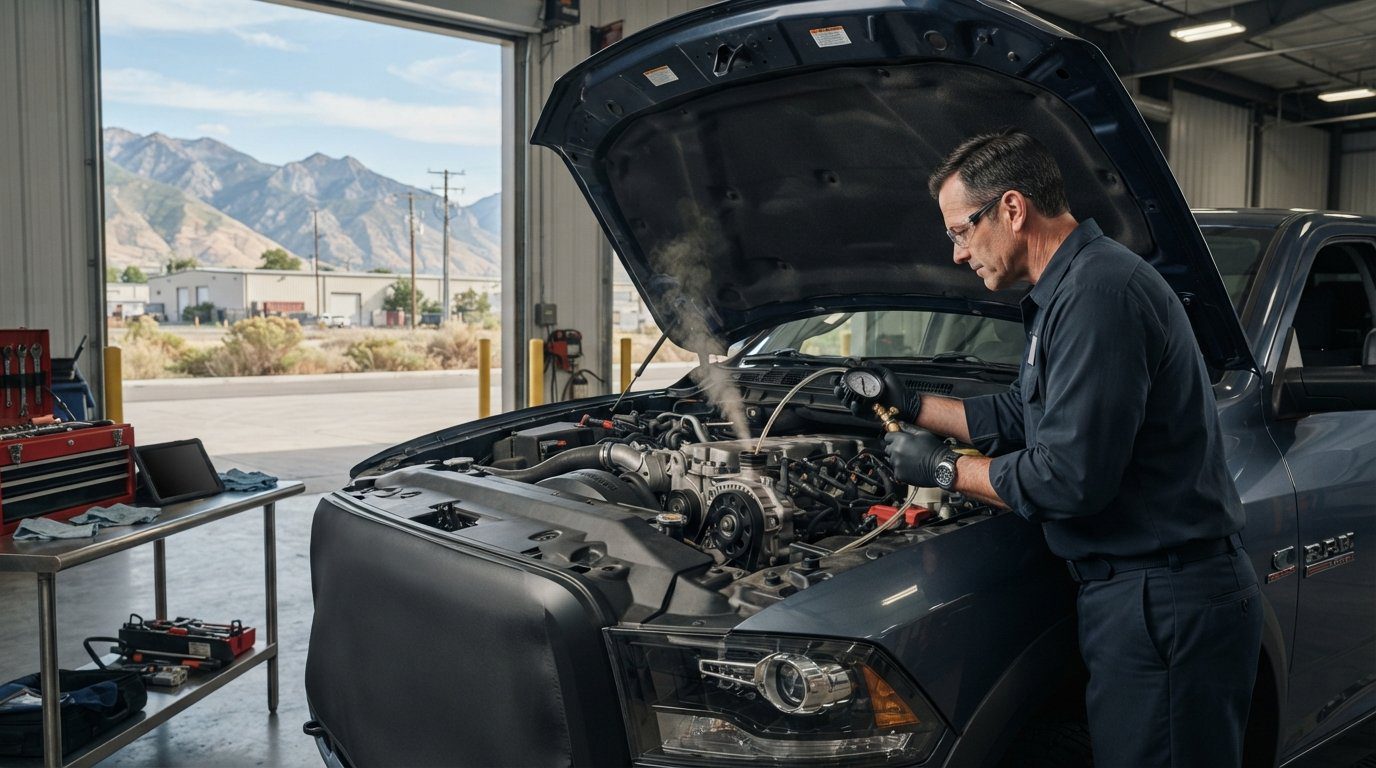
How to Fix Diesel Engine Blow-By: A Comprehensive Diagnostic and Repair Guide

Is that steady stream of smoke from your oil filler cap a sign your engine is finished, or just a symptom of a manageable pressure failure? Most operators fear the worst when they notice high oil consumption and a loss of engine power under load. It’s frustrating to watch your equipment struggle while unplanned downtime eats into your bottom line. Learning how to fix diesel engine blow-by doesn’t always require a total overhaul, but it does require a systematic approach to diagnostics.
We understand that your priority is keeping your fleet moving without unnecessary expenses. You’re likely looking for a way to restore engine longevity without committing to a full rebuild before it’s truly necessary. This guide will help you identify the root cause of your diesel engine’s pressure loss and reveal the professional path to restoring cylinder pressure. We’ll walk through accurate diagnostic steps and cost-effective repair options, giving you the clarity needed to make the right call for your engine’s health. By isolating the crankcase from the combustion chamber, you can stop the waste and get your power back.
Key Takeaways
- Learn how to perform the ‘Flip the Cap’ test and visual breather inspections to accurately gauge internal crankcase pressure.
- Discover how to fix diesel engine blow-by using systematic diagnostics and targeted repairs that avoid unnecessary downtime.
- Understand why implementing a strict oil analysis program is the most effective way to catch metal wear before it leads to power loss.
- Identify the cost-effective maintenance steps, such as CCV system replacement, that can restore engine health without a total rebuild.
- Gain peace of mind by recognizing when your equipment requires professional, warrantied repair work to ensure long-term reliability.
What is Diesel Engine Blow-By and Why Does It Occur?
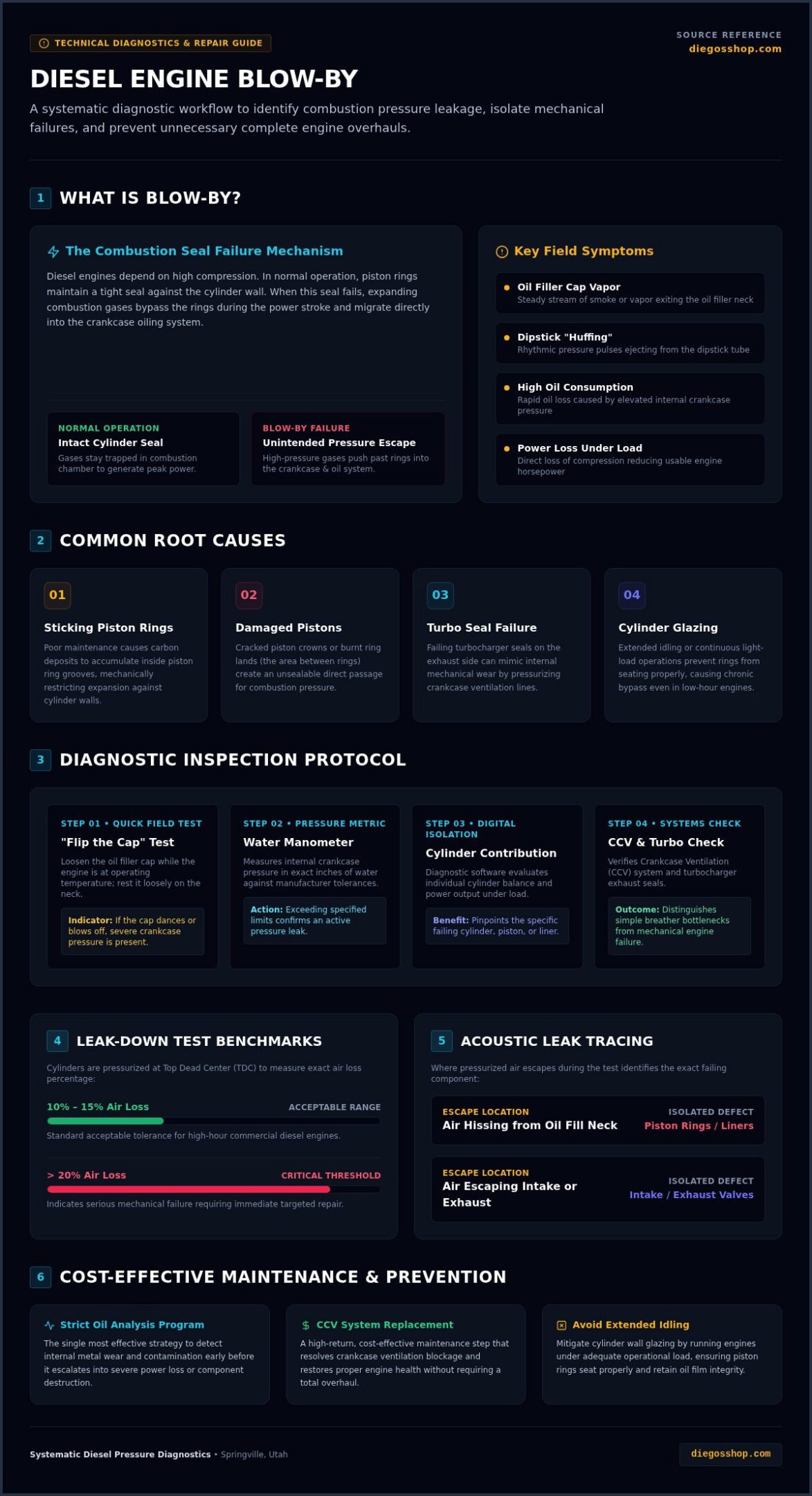
Every diesel engine relies on high compression to generate power. In a healthy cycle, the piston rings create a tight seal against the cylinder wall, trapping the explosive force of combustion where it belongs. When that seal fails, gases escape into the crankcase. This phenomenon is known as diesel engine blow-by. While a small amount of gas bypass is expected in high-hour commercial engines, excessive pressure indicates a mechanical failure that requires immediate attention.
You’ll usually spot the problem at the breather tube or the oil filler neck. If you see a steady pulse of smoke or “huffing” from the dipstick tube, your engine is losing its ability to manage internal pressure. This isn’t just a messy nuisance; it’s a direct drain on your engine’s efficiency and longevity. Before you can determine how to fix diesel engine blow-by, you have to understand the difference between normal wear and a critical pressure leak.
The Mechanics of a Combustion Leak
Over time, the constant friction between piston rings and cylinder liners takes its toll. If the rings can’t expand properly to meet the liner, or if the liner itself becomes glazed and too smooth to hold a necessary oil film, the seal breaks. During the power stroke, the intense pressure of the expanding gases finds the path of least resistance, pushing past the rings and into the oiling system. Blow-by is the unintended migration of combustion energy into the oiling system. When operators ask us how to fix diesel engine blow-by, we start by looking at this fundamental seal failure.
Common Causes: Beyond Simple Wear
Mechanical wear isn’t the only culprit. Poor maintenance habits often lead to ring sticking. This happens when carbon deposits build up in the piston ring grooves, physically preventing the rings from moving and sealing against the cylinder wall.
- Damaged Pistons: A cracked piston crown or a burnt land (the area between rings) creates a direct channel for gas passage that no amount of oil can seal.
- Turbocharger Seal Failures: Sometimes, what looks like crankcase pressure is actually a failing turbo seal on the exhaust side, which can mimic the symptoms of internal engine wear.
- Cylinder Glazing: Extended idling or light-load operation prevents rings from seating properly, leading to chronic bypass even in relatively low-hour engines.
Understanding these causes is the first step in determining the right repair path. At Diego’s Shop, we focus on identifying whether the issue is a simple maintenance fix or a deeper structural failure that requires specialized diesel diagnostics.
How to Diagnose Blow-By: A Step-by-Step Inspection
Before you commit to a major overhaul, you need to verify if the pressure you’re seeing is a mechanical failure or a simple ventilation bottleneck. Accurate diagnostics prevent you from replacing expensive components that might still have thousands of miles of life left. Start with the “Flip the Cap” test. Loosen your oil filler cap while the engine is at operating temperature and let it sit loosely on the neck. If the cap dances or blows off, you have significant crankcase pressure. While this isn’t a scientific measurement, it’s a reliable field indicator that you need to investigate how to fix diesel engine blow-by before it causes a seal failure.
For a definitive answer, we use a water manometer to measure the actual inches of water pressure inside the crankcase. Most manufacturers have specific tolerances, and exceeding these limits confirms a leak. We also perform a cylinder contribution test using specialized diagnostic software. This allows us to see if a specific cylinder is underperforming, which helps narrow down the search to a single piston or liner. If you’re seeing these symptoms in Utah County, our team provides specialized diesel diagnostics to give you a clear path forward.
Performing a Compression and Leak-Down Test
A standard compression test tells you if pressure is low, but a leak-down test tells you where it’s going. During a leak-down test, we pressurize the cylinder at Top Dead Center (TDC) and measure the percentage of air escaping. If we hear air hissing from the oil fill tube, the rings are the culprit. If the air escapes through the intake or exhaust, the issue lies with the valves. Generally, a loss of 10% to 15% is acceptable for high-hour engines, but anything over 20% indicates a serious problem that requires repair.
Inspecting the CCV and Turbo Systems
Modern engines must adhere to strict EPA diesel engine emission standards, which means they often use complex Crankcase Ventilation (CCV) systems. A clogged CCV filter creates “false” blow-by by trapping gases that should be recirculated. This creates backpressure that forces oil out of seals. Before assuming the rings are shot, inspect the breather tube for sludge or obstructions. Additionally, check the turbocharger. A failing oil seal on the compressor side can dump oil into the intake, creating smoke and oil consumption that mimics a bottom-end ring failure. Distinguishing between these top-end and bottom-end issues is critical when deciding how to fix diesel engine blow-by without overspending on parts you don’t need.
Practical Solutions: How to Fix Diesel Blow-By Issues
Once you’ve diagnosed the source of the pressure, the focus shifts to how to fix diesel engine blow-by effectively. The repair path depends entirely on whether the issue is a simple blockage or a deep-seated mechanical failure. For many operators, the most cost-effective starting point is replacing the CCV (Crankcase Ventilation) system. If the filter or breather is clogged, pressure builds up and forces gases past seals. Swapping a filter is a far better outcome than a full rebuild, so always rule out ventilation issues first.
If the rings are stuck due to carbon buildup, a professional engine flush might offer a solution. These chemical treatments target the sludge in the ring grooves, allowing the rings to expand and seal against the cylinder walls again. However, if the metal itself is scored or worn, chemicals won’t solve the problem. In these cases, an “In-Frame” overhaul is often the preferred professional choice. This allows us to replace pistons, rings, and liners while the engine block stays in the chassis, which significantly reduces labor costs and downtime compared to a full removal.
Short-Term Mitigations vs. Permanent Fixes
You’ll often hear claims that miracle oil additives can stop blow-by instantly. The reality is that while some additives can soften seals or clean light deposits, they cannot repair a cracked piston or a scored liner. Switching to a higher oil viscosity is another common tactic. While a thicker oil might temporarily slow down oil consumption in a high-mileage engine, it’s a band-aid that doesn’t address the underlying pressure issue. Ignoring excessive blow-by is dangerous. It can lead to an engine runaway scenario where the engine begins to consume its own crankcase oil as fuel, resulting in catastrophic failure.
Mechanical Repairs: The Professional Approach
True restoration requires mechanical intervention. During an overhaul, we focus on honing the cylinder walls. This process restores the specific cross-hatch pattern required for new piston rings to seat correctly. We also replace damaged pistons and wrist pins to stabilize the rotating assembly and ensure uniform compression across all cylinders. If your diagnostic tests indicate a deep-seated mechanical failure, you need an Expert Diesel Engine Repair assessment to determine if an in-frame or a full out-of-frame rebuild is the most durable path forward. For engines with high-mileage block wear, a full rebuild involves machining the block and total restoration to factory specifications, providing the peace of mind that comes with warrantied work.
Preventing Recurrence: Maintenance Strategies for High-Mileage Engines
Fixing the immediate leak is only half the battle. To ensure you don’t find yourself searching for how to fix diesel engine blow-by again in six months, you must address the operational factors that cause premature wear. We recommend implementing a strict oil analysis program. This service acts as a window into your engine’s health. By monitoring the concentration of wear metals like chrome and iron, we can predict a ring failure before it turns into a roadside emergency. Catching these trends early saves thousands in long-term repair costs.
Oil selection is equally critical. High-quality synthetic oils designed for heavy-duty soot loading keep carbon from packing into ring grooves. When carbon stays in suspension rather than hardening on the piston, the rings remain free to seal. You should also manage your idle times carefully. Excessive idling prevents the engine from reaching the internal temperatures needed to maintain a proper seal, often leading to cylinder glazing. This glazing creates a smooth surface that oil can’t cling to, which eventually forces combustion gases into the crankcase. If you’re managing a fleet in Utah County, we can help you build a custom preventive maintenance plan that protects your investment.
Establishing a Preventive Maintenance Plan
A one-size-fits-all service schedule doesn’t work for commercial equipment. You need to customize your service intervals based on your typical load and environmental factors. For example, trucks pulling heavy grades daily require more frequent oil changes than those on flat hauls. We detailed these specific duty cycles in The 2026 Diesel Maintenance Handbook, which provides rugged reliability strategies for the long haul. A key part of any PM schedule is the regular replacement of the CCV filter. Treating this as a wear item rather than an “as-needed” repair prevents the pressure spikes that mimic mechanical blow-by.
The Impact of High-Altitude Operation
Operating along the Wasatch Front presents unique challenges. Utah’s altitude means thinner air, which can alter your air-fuel ratios and increase combustion heat if the engine isn’t tuned correctly. High Exhaust Gas Temperatures (EGTs) can soften piston crowns and lead to ring land failure over time. We advise operators to monitor their EGTs closely, especially when under load. Adjusting maintenance for trucks operating primarily at high elevations ensures that your cooling system is always at peak performance. A healthy cooling system prevents the localized overheating that causes pistons to expand and score cylinder liners. While learning how to fix diesel engine blow-by is essential after a failure, preventing it through specialized care is the only way to maintain a profitable operation.
Professional Diesel Engine Repair in Springville, Utah
Owner-operators along the Wasatch Front don’t have time for guesswork. When your equipment is pushing through the steep grades of Utah County, every pound of boost and every drop of oil matters. If you’re struggling with how to fix diesel engine blow-by, you need a partner who understands the specific demands placed on medium and heavy-duty equipment in high-altitude environments. Diego’s Shop has built a reputation for dependability by focusing on the technical precision required to keep commercial fleets moving. We don’t just clear codes; we solve the underlying pressure issues that threaten your engine’s longevity.
Our shop is specifically equipped to handle the complexities of brands like Peterbilt, Kenworth, and Ford Powerstroke. We understand that blow-by is often the first sign of a much larger problem. By choosing a specialist who focuses exclusively on diesel repair, you ensure that your diagnostics are handled with the correct tools and software. We provide warrantied repair work because we have total confidence in our master-level craftsmanship. This commitment to accountability gives you peace of mind, knowing that the job is done right the first time.
Expert Diagnostics at Diego’s Shop
We believe in transparent reporting. Before we suggest an in-frame overhaul or a full rebuild, we show you the hard data. Our team uses high-precision manometers and advanced diagnostic software to pinpoint exactly where your combustion gases are escaping. Whether it’s a simple CCV bottleneck or a failure in the cylinder liners, you’ll receive a clear explanation of the findings. Serving Springville and the greater Wasatch Front, we take pride in being the authority for definitive diesel diagnostics. When you are determining how to fix diesel engine blow-by, the quality of the diagnostic data is the most important factor in avoiding unnecessary expenses.
Get Your Fleet Back on the Road
Uptime is the lifeblood of any commercial operation. Our fleet maintenance programs are designed to catch wear patterns early, preventing blow-by before it starts. There is a significant value in choosing a diesel specialist over a general repair shop; we speak the language of heavy-duty machinery and understand the urgency of your schedule. We focus on minimizing downtime through efficient service protocols and a no-nonsense approach to mechanical repair. Don’t let high oil consumption or power loss sideline your business. Contact us today for a definitive engine health check and let us restore the performance and reliability your fleet depends on. Durable work for the long haul is our promise to every customer.
Restore Your Engine’s Performance and Reliability
Excessive blow-by is a serious symptom, but it’s a problem with a clear mechanical solution. By moving from simple field tests to professional manometers and leak-down diagnostics, you can isolate the root cause with precision. Whether the fix is a simple CCV filter replacement or a comprehensive in-frame overhaul, the goal is always to restore cylinder pressure and protect your bottom line. Catching these issues early through preventive maintenance is the most effective way to ensure your equipment stays on the road.
Understanding how to fix diesel engine blow-by starts with a commitment to accurate diagnostics and durable, warrantied engine repair work. We provide specialized medium and heavy-duty expertise, ensuring that your equipment meets the rigorous demands of the Wasatch Front. Don’t let unplanned downtime or high oil consumption drain your resources. Schedule your diesel engine diagnostic at Diego’s Shop today to gain total control over your fleet’s health. We’re proud to serve Utah County with the honest, expert care your machinery deserves. Your engine has thousands of miles of productive life left; let’s make sure they’re profitable ones.
Frequently Asked Questions
Can I drive my diesel truck with excessive blow-by?
Driving with excessive blow-by is not recommended for long periods. While the engine might still run, the internal pressure can force oil past seals and gaskets, leading to major leaks. In extreme cases, the engine can begin to consume its own crankcase oil, causing a dangerous “runaway” scenario where you lose all control over engine speed. It’s best to seek specialized diesel diagnostics before a manageable pressure issue turns into a total loss.
How much blow-by is considered ‘normal’ for a high-mileage diesel?
A light, steady vapor from the breather is normal for high-hour engines. Piston rings naturally lose some sealing efficiency over hundreds of thousands of miles. However, if the vapor is pulsing heavily or pushing the oil cap off the neck, it has crossed the line into a failure state. We use professional manometers to measure the exact inches of water pressure to determine if your engine’s blow-by falls within the manufacturer’s acceptable tolerances.
Will an oil additive fix my engine’s blow-by permanently?
Oil additives are temporary measures and won’t fix diesel engine blow-by permanently if there’s mechanical damage. These products might clean light carbon deposits from ring grooves or soften hardened seals, which can slightly reduce symptoms. They cannot repair a cracked piston or a scored cylinder liner. If your engine has structural wear, mechanical intervention is the only way to restore the combustion seal and ensure long-term reliability for your equipment.
What is the difference between blow-by and a turbo seal leak?
Blow-by originates in the combustion chamber when gases escape past the piston rings into the crankcase. A turbo seal leak happens within the turbocharger itself, often pushing oil into the intake or exhaust stream. While both can cause blue smoke and oil consumption, blow-by is identified by high crankcase pressure at the oil fill cap. A turbo leak won’t typically cause the “huffing” symptoms seen with internal engine wear.
How much does it cost to fix diesel blow-by in Utah?
The cost depends entirely on the root cause identified during diagnostics. A simple fix like replacing a clogged CCV filter is relatively inexpensive and can be done quickly. If the issue requires an in-frame overhaul or a full engine rebuild, the investment will be significantly higher due to labor and specialized components. We provide transparent reporting and data-backed assessments so you can make an informed decision for your fleet’s budget.
Does blow-by always mean I need a full engine overhaul?
No, blow-by doesn’t always signal the end of an engine’s life. Many operators find that their pressure issues stem from a restricted ventilation system or a failing turbocharger seal. Even stuck piston rings can sometimes be freed with professional chemical flushes. An overhaul is only necessary when physical damage to the liners or rings is confirmed. Proper diagnostics help you determine how to fix diesel engine blow-by without paying for a rebuild when a simpler repair would suffice.
Why is there oil coming out of my breather tube?
Oil exiting the breather tube is usually caused by excessive crankcase pressure carrying oil mist out of the engine. When combustion gases leak past the rings, they stir up the oil in the pan and create a pressurized fog. This fog is then forced out through the path of least resistance, which is the breather. If the CCV filter is saturated or failed, it can no longer separate the oil from the air effectively.
Can a clogged EGR system cause blow-by symptoms?
A clogged EGR system doesn’t directly cause blow-by, but it contributes to the conditions that do. Malfunctioning EGR valves lead to increased soot and carbon buildup inside the combustion chamber. This carbon often migrates to the piston ring grooves, causing the rings to stick and fail. While the EGR isn’t the leak source, maintaining it is a critical part of a preventive maintenance program to prevent ring-related pressure issues.