
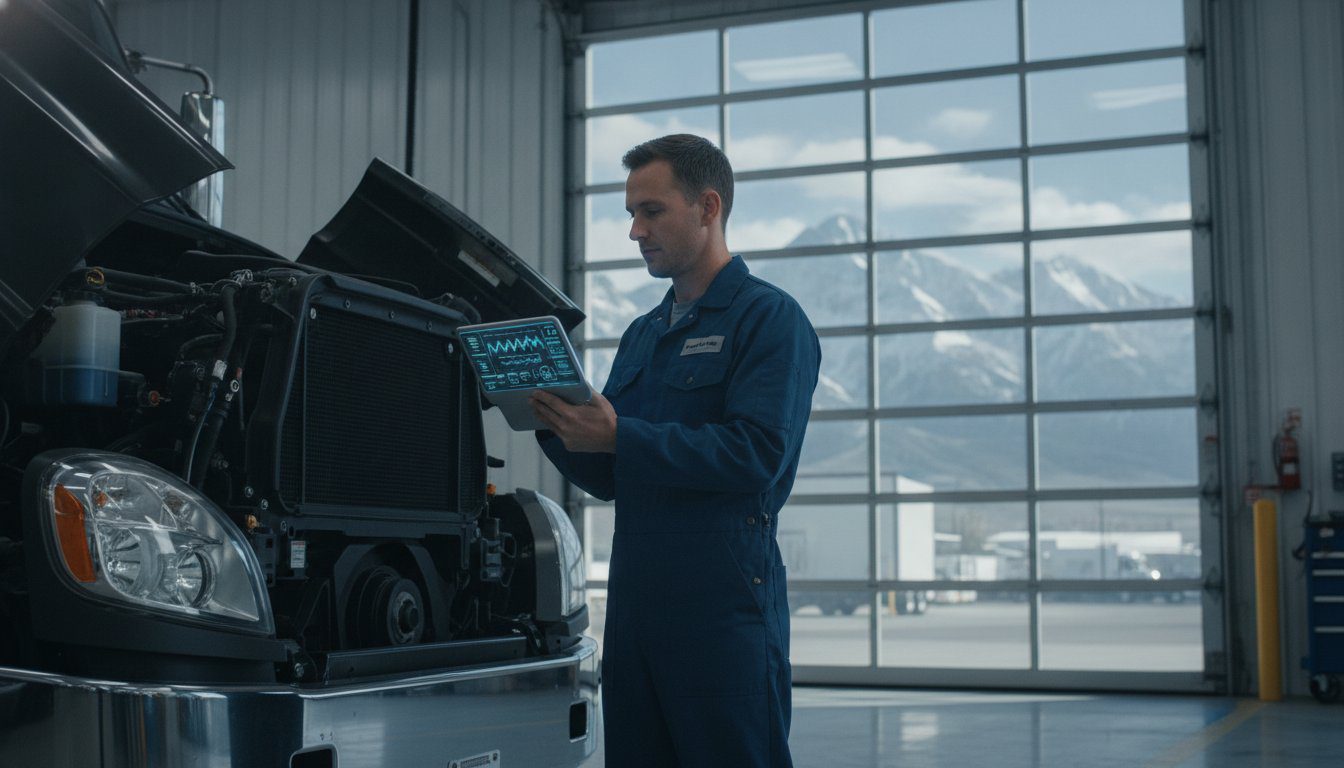
How to Reduce Fleet Maintenance Costs: A 2026 Guide for Diesel Operations

The most expensive repair your diesel fleet will ever face isn’t a catastrophic engine failure. It’s the slow, steady bleed of unplanned downtime and the rising cost of specialized parts that haven’t been managed with technical precision. You’ve likely felt the frustration of a truck sitting idle while waiting for an EGR sensor or a technician who truly understands modern emissions systems. It’s a common struggle for fleet managers who want to know how to reduce fleet maintenance costs without sacrificing the reliability of their heavy duty assets.
We understand that your business depends on predictable uptime and durable equipment. You need a partner who values master craftsmanship over quick fixes. This 2026 guide provides the high impact technical strategies and preventive protocols you need to slash downtime and lower your total cost of ownership. We’ll show you how to move beyond basic oil changes to master the specialized maintenance required for modern diesel engines. By the end of this article, you’ll have a clear roadmap for extending asset lifespan, managing DPF health, and stabilizing your monthly maintenance spend with total confidence.
Key Takeaways
- Master how to reduce fleet maintenance costs by transitioning from mileage-based schedules to rigorous, hour-based preventive maintenance protocols.
- Proactively manage DPF and EGR systems to prevent expensive forced regenerations and catastrophic aftertreatment failures.
- Implement specific technical strategies to combat Utah’s unique environmental stressors, including corrosive road salts and the strain of mountain grades.
- Leverage specialized diesel expertise and warrantied repair work to eliminate recurring issues and ensure the long-term durability of your assets.
Understanding the True Drivers of Fleet Maintenance Costs in 2026
Understanding how to reduce fleet maintenance costs starts with a clear view of where the money actually goes. In the current market, maintenance isn’t just a single line item on a balance sheet. It’s a complex interaction of fixed, variable, and indirect expenses. While most managers focus on the invoice from the shop, the indirect costs often carry the heaviest weight. The 2026 supply chain environment has shifted the math, where specialized diesel components are no longer just expensive; they’re frequently subject to lead times that can stall an entire operation. Effective Fleet management requires a deep understanding of these three pillars to keep trucks moving and budgets intact.
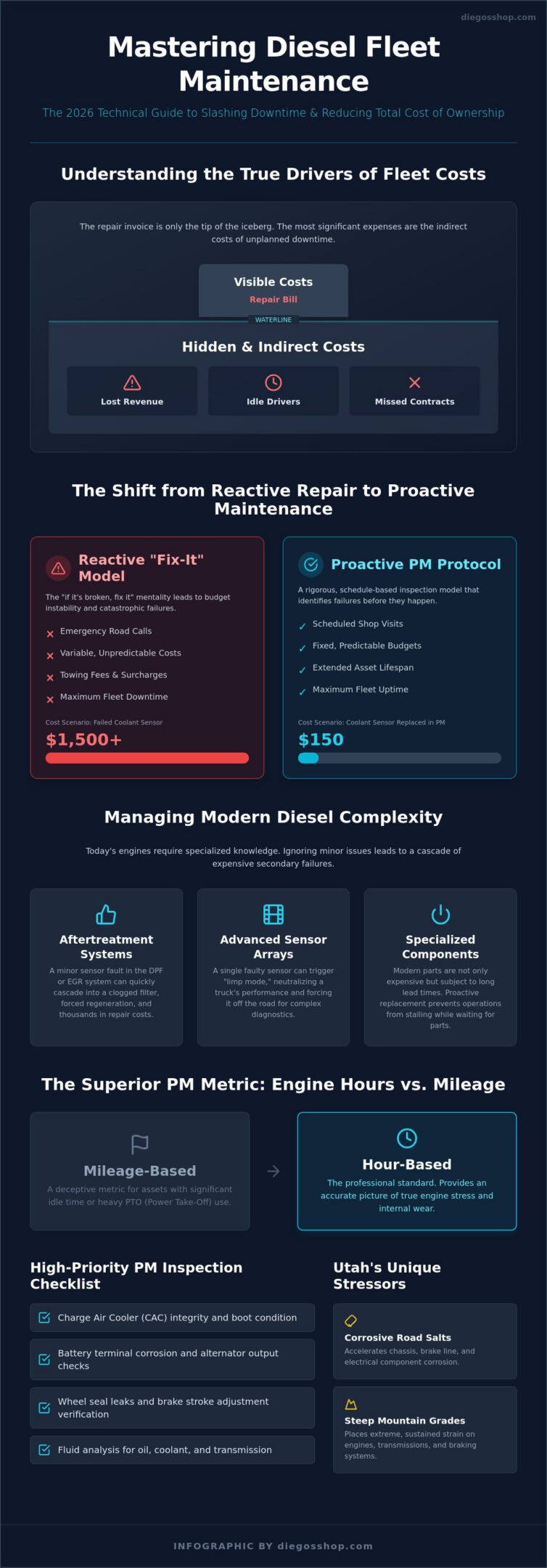
Total Cost of Ownership (TCO) in a commercial diesel context is the sum of all expenses related to an asset from the moment of purchase until its final decommissioning, including fuel, insurance, and every technical repair in between. When maintenance is reactive, the hidden cost is the lost revenue from downtime. If a heavy duty hauler is off the road, the repair bill is only half the problem. The real “hidden” driver is the thousands of dollars in missed contracts and idle drivers that accumulate every hour the hood is up.
Fixed vs. Variable Maintenance Expenses
Predictable budgets are built on fixed expenses. These include your routine oil changes, scheduled fluid analysis, and mandatory DOT inspections. These are the “known” costs you can plan for months in advance. Variable costs are the disruptors. Emergency road calls, cooling system blowouts, and major engine overhauls fall into this category. The secret to how to reduce fleet maintenance costs is shifting as many variable expenses into the fixed category as possible. By performing rigorous inspections, you identify a failing water pump in the shop for a few hundred dollars rather than paying for a tow and an emergency repair on the side of the interstate. This transition creates budget stability and prevents the “sticker shock” of unplanned failures.
The Cost of Modern Diesel Complexity
Modern diesel engines are marvels of engineering, but their complexity has changed the financial landscape of repair. Advanced sensor arrays and sophisticated emission controls have increased the number of labor hours required for even standard diagnostics. A single faulty sensor in the aftertreatment system can trigger “limp mode,” effectively neutering a truck’s performance and forcing it off the road. Ignoring minor technical glitches is no longer an option. What starts as a small “check engine” light for a minor sensor often cascades into a clogged DPF or a damaged EGR cooler. These secondary failures are where the real costs live. Addressing technical issues early ensures that specialized components last their full intended lifespan, protecting your most expensive assets from premature wear. This philosophy of specialized care is universal across high-performance machinery, including Japanese-engineered support vehicles maintained by specialists like Speedy Roo Motorsports & Repair Inc.
Implementing a Technical Preventive Maintenance (PM) Protocol
The “if it’s broken, fix it” mentality is the fastest way to bankrupt a diesel operation. True technical mastery involves a transition to a rigorous, schedule-based inspection model that identifies failures before they happen. A disciplined protocol is the most effective way for owners to understand how to reduce fleet maintenance costs. While many shops focus strictly on mileage, a professional diesel operation establishes customized PM intervals based on engine hours. For trucks spending significant time idling or in heavy PTO use, mileage is a deceptive metric. Hours provide a more accurate picture of engine stress and internal wear.
Catching a small oil leak or a weeping coolant hose during a scheduled stop prevents a catastrophic failure on the highway. A rigorous approach to fleet maintenance ensures that your heavy-duty assets reach their full design life without the drain of constant, unplanned repairs. This proactive strategy keeps your trucks in the lane and out of the breakdown lane.
Moving from Reactive to Proactive Repair
The math is simple. Replacing a failing $150 coolant sensor during a scheduled PM is a controlled event. Waiting for that sensor to fail on a mountain grade leads to a $1,500 roadside repair bill, towing fees, and lost revenue. Adopting a “zero-breakdown” goal changes the culture of your shop. It moves the focus from mechanical speed to technical precision. High-priority components to inspect during every cycle include:
- Charge air cooler integrity and boot condition.
- Battery terminal corrosion and alternator output.
- Wheel seal leaks and brake stroke adjustment.
- Belt tensioners and pulley alignment.
- Exhaust manifold bolts and turbocharger end play.
Leveraging Data for Predictive Service
Data is the backbone of modern maintenance. Fluid analysis, specifically for oil and coolant, allows us to see inside the engine without turning a single bolt. We look for metal particulates or chemical imbalances that signal internal wear. Applying Sustainable Fleet Core Principles helps managers identify where operational inefficiencies lead to accelerated component wear. By tracking component failure trends across your specific fleet, you can anticipate when a specific series of trucks will need water pumps or injectors. This level of foresight is how professionals maintain total control over their budgets. If you’re ready to stop the cycle of emergency repairs, our team can help you design a custom protocol at Diego’s Shop.
Diesel-Specific Strategies: Managing Emissions and Aftertreatment Costs
Modern diesel engines live and die by their aftertreatment systems. For most fleet operations, the Diesel Particulate Filter (DPF) and Exhaust Gas Recirculation (EGR) systems represent the single largest variable expense in the budget. These components are highly sensitive and technically complex. When they fail, they don’t just trigger a warning light. They often force the vehicle into a derated state, effectively halting your operations. Understanding the technical nuances of these systems is a critical step for anyone learning how to reduce fleet maintenance costs. Technical mastery over these components ensures you aren’t just throwing expensive parts at a problem that could have been prevented.
Proactive cleaning and maintenance of aftertreatment systems are the only ways to prevent the dreaded “forced regen” cycle. A forced regeneration is a symptom of a system that’s already struggling. By the time a driver has to pull over to perform a parked regen, the DPF is likely reaching a soot load that could have been managed more efficiently in the shop. Regular, scheduled maintenance keeps these systems breathing freely and protects the engine from excessive backpressure.
Controlling DPF and EGR Service Costs
Cleaning is always more cost effective than replacement. A professional DPF bake and clean service costs a small fraction of a new unit. We recommend establishing regular cleaning intervals based on your specific duty cycle. Trucks that spend time in heavy traffic or high idle environments require more frequent service than those on long haul routes. Vigilance is equally important for the EGR system. A leaking EGR cooler can allow coolant to enter the combustion chamber, which often leads to engine hydro-locking. This catastrophic failure can destroy an entire engine block in seconds. Identifying a weeping cooler during a technical inspection is the difference between a standard repair and a total engine replacement.
Fuel System Health and Longevity
Fuel quality has a direct impact on emissions system longevity. Contaminants or water in high-pressure common rail systems act like liquid sandpaper. They erode injectors and pumps with surgical precision, leading to poor atomization and increased soot production. High quality filtration is the cheapest insurance policy you can buy for your fleet. In cold climates, the role of fuel additives becomes even more vital. Additives prevent gelling and help maintain system cleanliness, ensuring that the fuel burns as completely as possible. A cleaner burn means less work for the DPF and a significantly lower total cost of ownership for your diesel assets. Our team at Diego’s Shop specializes in maintaining these high pressure systems to ensure your fleet stays compliant and cost effective.
Regional Factors: Reducing Wear and Tear in Utah’s Variable Climate
Utah diesel operations face environmental challenges that national guides often overlook. From the steep grades of the Wasatch Front to the corrosive salts used on our highways, the local geography dictates your service schedule. Learning how to reduce fleet maintenance costs in this region requires more than just following the manufacturer’s manual. It requires an understanding of how our variable climate accelerates wear on specific mechanical systems. For fleets based in Springville or Salt Lake City, seasonal maintenance adjustments are the difference between a reliable truck and a costly breakdown on a mountain pass.
Operating a heavy-duty asset in the Intermountain West means your equipment works harder for every mile. The thin air at high altitudes and the extreme temperature swings between January and July create a unique wear profile. Addressing these regional factors head-on allows you to maintain total control over your equipment’s durability. For more comprehensive tips on maintaining your vehicles in these conditions, consult our 2026 diesel maintenance handbook.
Combatting Corrosive Road Salts and Winter Wear
Magnesium chloride and road salts are essential for winter safety, but they are devastating to vehicle longevity. These chemicals accelerate frame rot and can eat through brake lines with alarming speed if left unchecked. A rigorous undercarriage wash protocol is your first line of defense during the winter months. Beyond the chassis, salt spray frequently finds its way into electrical connectors, leading to mysterious sensor failures and lighting issues. Regular technical inspections of these connections, combined with the use of dielectric grease, prevent expensive, unplanned downtime. Cold start protocols are also vital. Utah’s freeze cycles put immense strain on batteries and starters. Ensuring your block heaters and glow plug systems are functional before the first frost is a simple way to protect your engine from the damage of dry starts.
Managing Heat Stress on Heavy-Duty Engines
Summer in the valley brings a different set of challenges. Heavy hauls up Parleys Canyon or the climb through Spanish Fork Canyon place extreme stress on both cooling and braking systems. A cooling system flush isn’t just a suggestion; it’s a necessity before the summer heat hits the valley floor. High altitude operation also changes how your engine breathes. Rarefied air affects air-to-fuel ratios, which can increase turbocharger load and exhaust gas temperatures. Monitoring transmission temperatures during these heavy climbs is critical to prevent fluid breakdown and internal wear. If your fleet operates in these demanding conditions, you need a partner who understands the local terrain. We can help you build a protocol that stands up to Utah’s toughest roads at Diego’s Shop.
Partnering with a Specialized Diesel Shop for Long-Term ROI
General automotive shops often lack the diagnostic depth and specialized tooling required for modern diesel management. While a generalist might handle a standard fluid change, they frequently struggle with the complexities of heavy duty aftertreatment and high pressure fuel systems. This knowledge gap leads to “parts swapping” rather than precise diagnostics. Choosing a specialist is a strategic move for any manager looking at how to reduce fleet maintenance costs. Expert diesel engine repair focuses on the root cause of a technical issue. This precision prevents the same truck from returning to the bay for the same problem two weeks later. Reliability is the foundation of a profitable commercial operation.
Commercial fleets require a level of technical mastery that goes beyond basic mechanical skill. You need a partner who understands that every hour a truck spends in the shop is an hour of lost revenue. A specialized shop prioritizes durability and technical integrity. They speak the language of fleet managers and understand the specific pressures of OTR haulers and local delivery assets. For those managing local delivery assets or considering fleet expansion, you can discover DityTruck to help determine the right truck sizes for your logistics needs. This specialized focus ensures your equipment is serviced by technicians who live and breathe diesel technology.
The Value of Warrantied Repair Work
Warrantied repair work is more than just a piece of paper. It’s a financial safeguard for your maintenance budget. When a shop stands behind its work, they assume the risk of the repair. This accountability ensures you aren’t “double-paying” for labor or components if a part fails prematurely. In 2026, a professional fleet service guarantee should be clear and comprehensive. It should cover both the specialized part and the labor required to replace it. This level of integrity builds trust. It provides the peace of mind you need to focus on your core business rather than worrying about the durability of your latest repair.
Custom Maintenance Plans for Utah Fleets
No two fleets are identical. A mix of Peterbilt haulers and Isuzu delivery trucks requires a different approach than a fleet of construction dump trucks. You should seek a partner who offers maintenance plans tailored to your specific vehicle mix, duty cycles, and annual mileage. Having a single point of contact for all diesel diagnostics and repairs simplifies your logistics. It ensures a consistent service history for every asset. This consistency makes it easier to track your total cost of ownership and predict future needs. If you’re ready to stabilize your budget and improve uptime, contact Diego’s Shop in Springville to audit your current fleet maintenance strategy. We’ll help you build a plan that keeps your trucks on the road and your costs under control.
Taking Control of Your Fleet’s Performance and Profitability
Managing a modern diesel operation requires a shift from emergency repairs to technical foresight. You’ve learned that the secret to how to reduce fleet maintenance costs lies in rigorous preventive protocols, specialized emissions management, and a deep understanding of Utah’s unique environmental stressors. Moving away from a reactive mindset ensures your assets stay on the road longer while your monthly spend becomes predictable. It’s about protecting your investment through master craftsmanship rather than just chasing the next breakdown.
Success in 2026 depends on having a partner who stands behind their work with master-level technical diagnostics and accountability. At Diego’s Shop, we bring specialized expertise in Peterbilt, Kenworth, and Ford diesel systems to every service bay. We’re proud to serve Utah County and the Wasatch Front with warrantied repair work that delivers the durability your business demands. It’s time to stop the bleed of unplanned downtime and start building a more resilient operation. Request a Professional Fleet Maintenance Audit from Diego’s Shop today. Your fleet works hard; let’s ensure it stays that way.
Frequently Asked Questions
What is the most effective way to reduce fleet maintenance costs immediately?
The most effective way to reduce costs immediately is to transition from reactive repairs to a rigorous, schedule-based inspection model. Identifying a worn belt or a minor coolant leak in the shop prevents expensive emergency roadside calls and towing fees. This shift stabilizes your budget by turning variable, unpredictable expenses into fixed, manageable costs. It’s about catching the small issues before they evolve into catastrophic failures.
How much can preventive maintenance actually save a commercial fleet?
While specific figures vary by operation, consistent preventive maintenance can save a fleet thousands of dollars per asset annually by preventing major engine failures. A well-maintained engine lasts longer and retains higher resale value. By investing in routine fluid analysis and technical inspections, you avoid the high cost of premature engine replacements and the lost revenue associated with extensive, unplanned downtime.
Why are diesel maintenance costs generally higher than gasoline engines?
Diesel maintenance costs are generally higher because these engines are built with heavier, more expensive components designed for high-torque applications. Modern diesel engines also feature complex emissions systems like the DPF and EGR that require specialized technical mastery to service. These systems involve expensive sensors and filtration components that simply don’t exist in standard gasoline engines, making expert care essential for cost control.
How does driver behavior impact fleet maintenance expenses?
Driver behavior has a direct impact on your maintenance budget, particularly regarding fuel economy and brake longevity. Aggressive acceleration and hard braking increase the wear rate of tires and friction components. Excessive idling also places unnecessary hours on the engine. This leads to faster soot buildup in the DPF and requires more frequent oil changes to maintain engine health and performance.
What are the signs that my fleet maintenance provider is costing me too much?
A high “comeback” rate is the clearest sign that your maintenance provider is costing you too much. If trucks return to the shop for the same issue shortly after a repair, you’re losing money on repeated labor and downtime. Other red flags include vague diagnostic reports and a lack of warrantied repair work, which leaves you financially responsible for part failures and technical errors.
Is it cheaper to outsource fleet maintenance or handle it in-house?
For most mid-sized fleets, outsourcing to a specialized diesel shop is more cost-effective than maintaining an in-house facility. In-house shops require significant investment in specialized diagnostic tools and ongoing technician training. Partnering with an external expert provides access to master-level technical skills and warrantied work without the heavy fixed overhead and administrative burden of managing a private garage.
How often should a commercial diesel truck receive a full inspection in 2026?
In 2026, commercial diesel trucks should receive a full technical inspection at least once every 90 days or based on specific engine hour intervals. High-utilization fleets often require more frequent check-ups to account for the stress of mountain grades and heavy loads. Regular inspections are a foundational strategy for anyone learning how to reduce fleet maintenance costs effectively and maintain total control over their assets.
What specific diesel engine parts are most prone to failure if maintenance is skipped?
The DPF and EGR systems are the most prone to failure when maintenance is skipped. Neglecting oil changes or ignoring minor sensor glitches leads to soot accumulation that can ruin a DPF or cause an EGR cooler to leak. Additionally, skipping fuel filter changes can lead to contaminated injectors. These are among the most expensive components to replace in a modern diesel engine if they fail.