
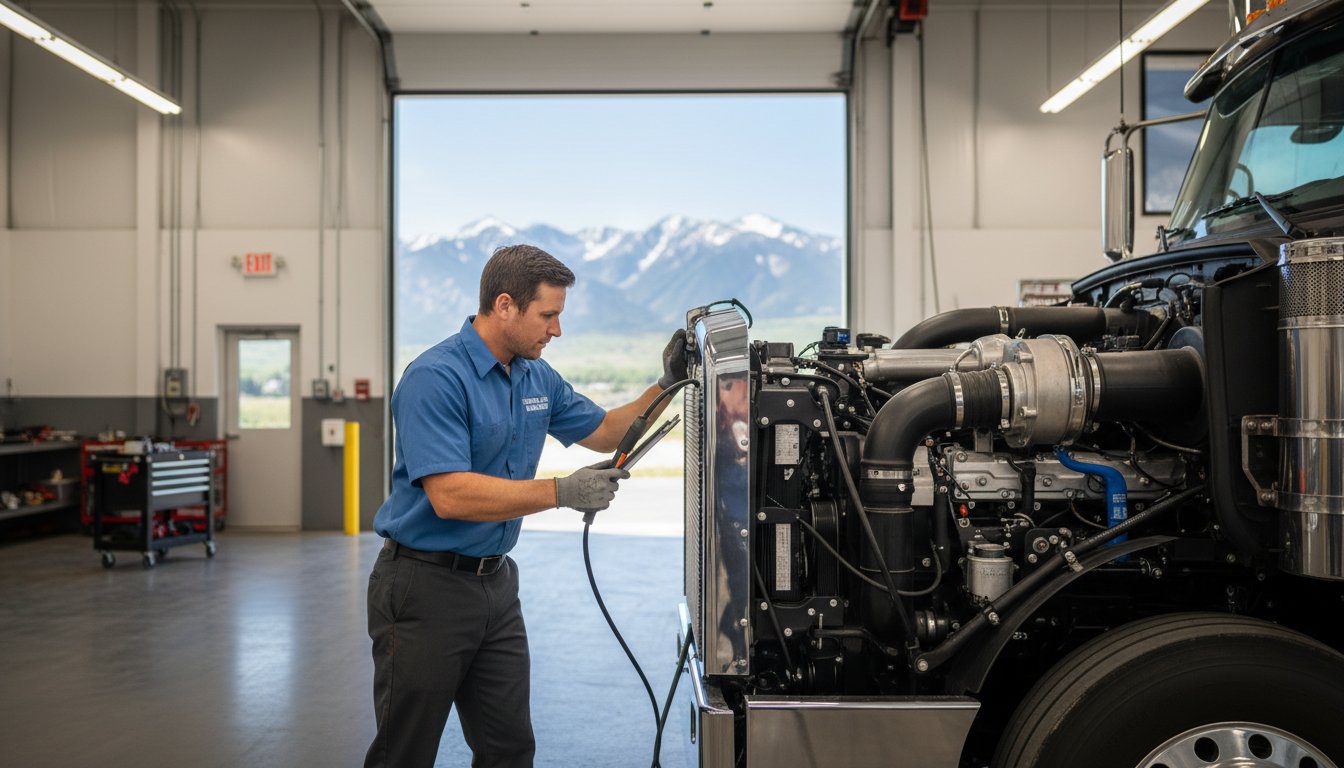
Truck EGR Service in Utah: The Fleet Owner’s Guide to Reliable Emissions Repair

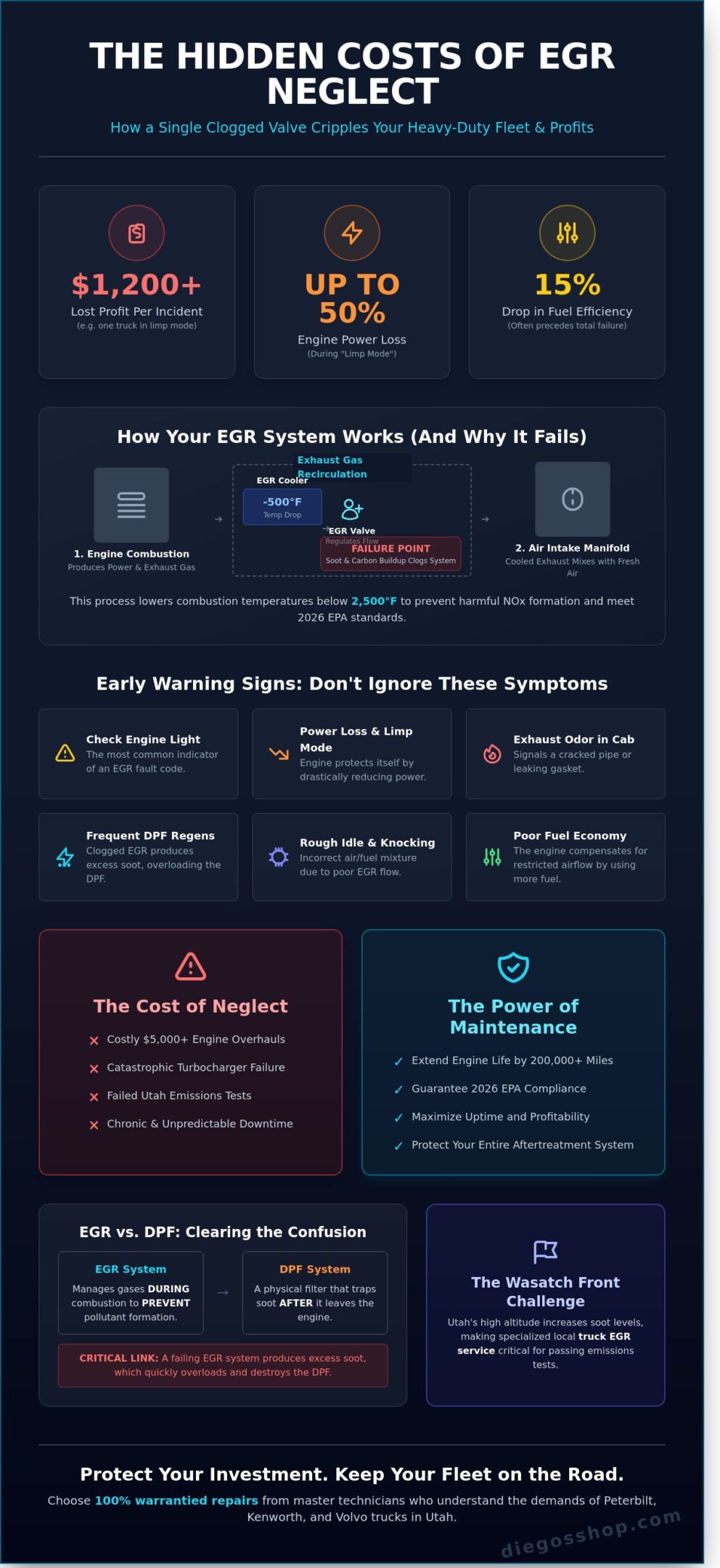
Last Tuesday, a fleet manager in West Valley watched 1,200 dollars in potential profit vanish because a single Kenworth went into limp mode on I-15. It wasn’t a catastrophic engine failure; it was a clogged Exhaust Gas Recirculation valve that could’ve been serviced weeks ago. For local operators, finding reliable truck egr service utah isn’t just about passing an emissions test. It’s about preventing the 15% drop in fuel efficiency that often precedes a total system shutdown. You know that every hour your truck spends in a dealership bay is an hour it isn’t earning.
We agree that navigating Utah’s specific emissions regulations should be straightforward, not a drain on your bottom line. You deserve technical mastery without the dealership tax or three week wait times. This guide teaches you how to identify early warning signs, choose a shop that offers 100% warrantied repairs, and schedule maintenance that can extend your engine life by over 200,000 miles. We’ll break down the exact steps to keep your heavy duty giants compliant, powerful, and on the road where they belong.
Key Takeaways
- Master the technical role of the EGR system to ensure your diesel fleet remains both compliant and powerful under 2026 emissions standards.
- Identify early warning signs like “limp mode” triggers and exhaust odors to prevent unexpected downtime and maintain your hauling schedule.
- Learn how to choose between cost-effective EGR valve cleaning and full cooler replacement while avoiding the legal and mechanical risks of illegal deletes.
- Understand how the Wasatch Front’s high altitude impacts soot levels and why specialized truck egr service utah is critical for passing local emissions tests.
- Discover how warrantied repairs from master technicians provide the rugged reliability needed for heavy-duty brands like Peterbilt, Kenworth, and Volvo.
Understanding Truck EGR Service: Why Your Diesel Engine Needs It in 2026
Your diesel engine relies on a precise balance of air and fuel to maintain rugged reliability. A critical part of this balance is Exhaust Gas Recirculation (EGR). This system redirects a specific portion of exhaust gas back into the intake manifold. By mixing inert exhaust with fresh intake air, the system lowers combustion temperatures below 2,500 degrees Fahrenheit. This temperature drop is vital. It prevents the formation of Nitrogen Oxides (NOx), which are harmful pollutants regulated by federal law. For fleet owners seeking a professional truck egr service utah offers, understanding this process is the first step toward avoiding a $5,000 engine overhaul.
By January 2026, EPA emissions standards will require heavy-duty engines to reduce NOx emissions by nearly 80% compared to previous benchmarks. This puts immense pressure on your EGR system. While effective, the process creates a “carbon cycle” problem. Diesel exhaust contains heavy soot. When this soot recirculates, it inevitably coats internal components in a thick, abrasive layer of carbon. Without scheduled maintenance, this buildup leads to restricted airflow, lost fuel economy, and eventual component seizure. We ensure your system is cleaned and calibrated so your truck meets these 2026 standards without sacrificing power.
The Core Components: Valves and Coolers
The EGR valve acts as the primary gatekeeper of exhaust flow. It opens and closes with precision based on engine load and RPM. Before that hot gas reaches the intake, it must pass through the EGR cooler. This heat exchanger uses engine coolant to drop exhaust temperatures by as much as 500 degrees in a fraction of a second. These parts work together to maintain your engine’s thermal balance. If the valve sticks or the cooler clogs, your engine will likely enter a “limp mode” to prevent catastrophic melting of internal seals.
EGR vs. DPF: Clearing the Confusion
It’s common to confuse the EGR system with the Diesel Particulate Filter (DPF), but they serve different roles. The EGR manages gases during the combustion process to prevent pollutants from forming. The DPF is a physical filter that traps soot after it leaves the engine. When you neglect your truck egr service utah requirements, the failing EGR produces excessive soot. This soot quickly overloads the DPF, leading to frequent, fuel-wasting “regens.” We utilize a comprehensive aftertreatment service approach. This ensures both systems work in harmony, protecting your engine from the backpressure that destroys turbochargers.
- EGR Valve: Regulates the volume of recirculated gas.
- EGR Cooler: Lowers gas temperatures to protect intake components.
- Carbon Buildup: The primary cause of 90% of EGR-related fault codes.
- 2026 Compliance: Professional cleaning is now a mandatory part of heavy-duty uptime.
At Diego’s Shop, we believe in diesel service and repair done right. We diagnose and clean these systems using specialized equipment that removes carbon without damaging sensitive alloys. This proactive mastery keeps your truck running with the rugged reliability you expect.
Signs Your Truck Needs EGR Repair: From Power Loss to Check Engine Lights
Your truck’s Exhaust Gas Recirculation (EGR) system is vital for emissions control and internal temperature management. When it fails, performance drops fast. One of the most frustrating signs is “limp mode.” This safety feature often reduces engine power by 50% to prevent catastrophic failure. For drivers on a tight schedule in Salt Lake City, this means immediate downtime and lost revenue. You might also notice a distinct scent of diesel exhaust inside the cab. This typically indicates a cracked EGR pipe or a leaking gasket, allowing raw exhaust to bypass the system. For an in-depth explanation of EGR technology and how these components interact, technical resources highlight the complexity of modern emissions hardware.
Keep a close eye on your DPF regeneration cycles. If your truck requests a “regen” 30% more often than usual, it’s a secondary symptom of a clogged EGR valve. Excessive soot production from poor EGR flow overloads the filter quickly. Don’t ignore knocking sounds or a rough idle. These issues often stem from carbon deposits preventing the valve from seating correctly, which disrupts the combustion cycle. If you’re experiencing these symptoms, getting a professional truck egr service utah ensures your engine stays within factory specs and avoids further damage.
Visual and Audible Red Flags
Perform a walk-around while your engine is running. Look for thick black smoke under heavy acceleration; this suggests an improper air-to-fuel ratio caused by EGR malfunctions. Check the EGR cooler housing for white, crusty residue. That is a clear sign of a coolant leak. Listen for a high-pitched whistling or hissing sound during operation. These noises usually point to a blown gasket or a cracked cooler. At Diego’s Shop, we’ve seen these small leaks turn into $6,500 engine overhauls when left unaddressed for more than a few weeks.
Diagnostic Codes You Should Know
- P0401: This indicates “insufficient flow.” It tells our mechanics that carbon buildup has likely choked the passages.
- P0402: This signal means “excessive flow,” often caused by a valve stuck in the open position.
A basic code scanner is only the first step. While a P0401 code points to the EGR, the root cause could be a failing pressure sensor or a collapsed vacuum line. Our technicians use advanced diagnostic tools to verify the mechanical integrity of the valve before recommending a replacement. We get the diagnosis done right the first time to save you from unnecessary parts costs.
EGR Valve Cleaning vs. Cooler Replacement: A Buying Guide for Fleet Managers
Deciding between a professional cleaning and a full component replacement is a high-stakes choice for any fleet. A proactive truck egr service utah specialist can often save a valve through ultrasonic cleaning, which typically costs 70% less than purchasing new hardware. We focus on technical mastery to determine if your equipment is salvageable or if it poses a risk to your engine’s integrity. While some operators consider “EGR deletes” to bypass the system entirely, this is a gamble that results in failed Utah inspections and heavy fines. These modifications violate federal EPA emission standards and can void your manufacturer warranty instantly.
The ROI of preventive care is easy to calculate. A scheduled $600 maintenance service prevents a $1,800 emergency roadside tow and the $5,000 cost of a sudden cooler failure in the middle of a haul. We prioritize rugged reliability by using either OEM parts or high-quality aftermarket components that meet or exceed original specifications. Our goal is to ensure your repair is “Done Right” the first time, so you don’t face the same issue 10,000 miles down the road.
When Cleaning is Enough
Ultrasonic cleaning is highly effective when soot hasn’t yet hardened into “coke” deposits. If your truck has under 55,000 miles since its last inspection, 85% of carbon buildup is usually reversible through our specialized cleaning process. Regular maintenance every 50,000 miles keeps the valve moving freely and prevents the electronic actuator from overworking and burning out. This approach extends the life of your hardware and maintains optimal fuel economy.
When Replacement is Mandatory
You can’t clean your way out of a cracked internal cooler. When the cooler’s internal structure fails, it allows coolant to enter the combustion chamber. This creates visible white smoke from the exhaust and puts the engine at risk of hydrolocking. Hydrolocking is a catastrophic event that can lead to a $22,000 engine rebuild. If our diagnostic tools show “sweating” coolant or a valve that’s physically seized, a full component swap is the only honest and safe solution for your vehicle.
Why Local Expertise Matters for Utah Truck EGR Service
Operating a diesel engine at 4,500 feet along the Wasatch Front presents unique mechanical challenges. Thinner air means your engine struggles for oxygen; this results in incomplete combustion and a 20% increase in soot accumulation within the EGR valve compared to sea-level performance. When you invest in a truck egr service utah specialist, you’re hiring someone who understands these atmospheric pressures and how they affect your specific engine model.
Climbing the 6% grades of Spanish Fork Canyon or navigating the heavy stop-and-go traffic along the I-15 corridor puts immense thermal stress on your EGR cooler. Heat is the primary enemy of diesel longevity. Local expertise ensures your cooling system is pressurized and tested to withstand these specific geographical demands. We prioritize fast turnaround times for local operators. While Salt Lake City dealerships often have a 10-day backlog, our shop focuses on getting your equipment back on the road in 3 days or less.
Serving the Wasatch Front
Fleets in Springville, Provo, and Orem face a brutal climate cycle. We see temperatures swing from -5°F in January to 105°F in July. These extremes cause metal components to expand and contract rapidly, which often leads to gasket failures and coolant leaks. We develop maintenance schedules based on these 110-degree temperature swings to ensure your rugged reliability remains intact regardless of the season. Our proximity to major logistics hubs allows us to provide specialized support for local delivery and long-haul fleets alike.
Compliance and DOT Readiness
Utah County emissions standards are strict for commercial vehicles. A single “Check Engine” light or a failed opacity test can sideline your truck and lead to heavy fines. We ensure every truck egr service utah includes a full computer-based diagnostic and a visual inspection that mimics DOT protocols. We keep your service records detailed and digital for easy access during audits. This provides peace of mind during unexpected roadside inspections. When the work is “Done Right,” your truck stays legal and profitable.
Diego’s Shop: Done Right EGR Repairs and Warrantied Diesel Service
Diego’s Shop stands as a trusted partner for fleet managers and owner-operators who demand excellence. We’ve built our reputation on rugged reliability and technical mastery. Our team handles everything from light-duty Ford F-250s to heavy-duty long-haul giants like Peterbilt, Kenworth, and Volvo. Every repair we perform comes with a 100% warrantied guarantee. This commitment gives you peace of mind that your equipment will hold up under the most demanding Utah hauling conditions. We treat every truck as if it were our own, ensuring that “Done Right” is more than a slogan.
Our comprehensive inspection protocols are designed to identify issues before they lead to a roadside crisis. We look at the entire emissions ecosystem, not just the isolated components. By checking coolant integrity, valve response times, and soot levels simultaneously, we provide a complete picture of your engine’s health. This proactive approach is why local businesses rely on us for their truck egr service utah. We focus on keeping your fleet profitable and compliant with all current emissions standards.
Technical Mastery in Springville
Our shop in Springville utilizes advanced diagnostic software to find the exact failure points in your emissions system. We don’t believe in the “parts cannon” approach where mechanics swap expensive components until a light goes off. Our certified diesel mechanics provide honest assessments based on data. We’ve found that thorough cleaning and precise calibration can often resolve issues that other shops might use as an excuse for a full system replacement. This dedication to integrity helps our clients reduce their annual maintenance spend by up to 12% while maintaining peak engine performance.
Communication is the backbone of our service. When we find a leak or a clogged cooler, we explain the “why” behind the repair. You’ll never see a surprise line item on your invoice. Our technicians are masters of their craft who understand the nuances of various engine platforms, including Cummins, PowerStroke, and PACCAR systems. We prioritize long-term engine health over quick, temporary fixes.
Schedule Your Service Today
Don’t wait for a dashboard warning light to stop your progress on I-15. Proactive truck egr service utah is the best defense against catastrophic engine failure and expensive downtime. A single unscheduled breakdown can cost a fleet over $1,200 per day in lost revenue and towing fees. Our inspection protocols are designed to catch soot accumulation and cooling leaks before they trigger a “limp mode” event. We work hard to minimize your fleet’s downtime because we know your schedule is tight and your deadlines are non-negotiable.
- Get a transparent quote for commercial truck EGR service
- Experience faster turnaround times with our specialized diesel team
- Protect your investment with 100% warrantied workmanship
Our goal is to ensure your diesel engine is “Done Right” the first time, every time. Schedule your service at Diego’s Shop today! Let our experts keep your heavy-duty equipment running at maximum efficiency.
Keep Your Fleet Compliant and Powerful Through 2026
Staying ahead of emissions standards in 2026 requires more than just reactive fixes. Proactive maintenance prevents the sudden power loss and check engine lights that sideline your heavy-duty trucks. Whether your fleet needs a thorough EGR valve cleaning or a full cooler replacement; choosing specialized care ensures your engines maintain their rugged reliability. Waiting until a valve sticks or a cooler leaks leads to expensive downtime that eats your margins. You need a partner who understands the technical mastery required for these complex systems.
At Diego’s Shop; we provide the specialized truck egr service utah fleet managers trust to keep their Peterbilt, Kenworth, and Isuzu rigs moving. Based in Springville; we serve the entire Wasatch Front with 100% warrantied repair work. Our master craftsmen handle the technical details so you can focus on your delivery schedules. Don’t let a clogged system stall your operations or compromise your engine’s lifespan.
Get Your Fleet Back on the Road with Expert EGR Service
We’re ready to help you maintain a dependable, high-performing fleet for years to come.
Frequently Asked Questions
How much does a truck EGR service cost in Utah?
A professional truck EGR service in Utah typically ranges from $350 to $1,200 depending on your vehicle’s engine class. Light-duty diesel pickups like a Ford F-250 often cost between $350 and $600 for a thorough cleaning. For heavy-duty Class 8 rigs like a Kenworth or Peterbilt, you’ll likely pay between $800 and $1,200 to cover the specialized labor and diagnostic protocols required for these larger systems.
Can I drive my truck with a bad EGR valve?
You shouldn’t drive your truck with a faulty EGR valve because it causes immediate carbon buildup and risks a $3,000 engine repair bill. A stuck valve disrupts the air-to-fuel ratio, which reduces your fuel economy by up to 15% and causes rough idling. Continued operation under these conditions often leads to cracked EGR coolers or turbocharger failure within 500 miles of the initial warning light.
How long does an EGR cooler replacement typically take?
An EGR cooler replacement usually takes between 4 and 8 hours depending on your specific engine model. A Cummins ISX engine typically requires 6 hours of labor, while a PowerStroke 6.7L might take 5 hours in the shop. Our technicians follow a strict timeline to ensure the cooling system is fully pressurized and tested before you get back on the road, ensuring the job is done right.
Is an EGR delete legal for commercial trucks in Utah County?
No, EGR deletes are illegal under federal EPA regulations and Utah state law. Removing emissions equipment can result in fines exceeding $4,500 for individual owners and significantly higher penalties for commercial fleets. Utah County requires annual emissions testing for diesel vehicles, and a deleted system will trigger an automatic failure during the visual inspection, preventing you from renewing your registration.
How often should I have my EGR system cleaned?
You should schedule a truck egr service utah every 50,000 miles to prevent soot accumulation and maintain peak performance. Long-haul trucks operating at 70% capacity can sometimes stretch this interval to 75,000 miles. However, local delivery trucks that spend 30% of their runtime idling need cleaning every 30,000 miles to maintain the rugged reliability required for heavy stop-and-go use.
What is the difference between a clogged EGR and a clogged DPF?
A clogged EGR valve affects the intake of exhaust gas into the combustion chamber, while a clogged DPF restricts exhaust flow out of the tailpipe. EGR issues usually cause black smoke and a 20% drop in engine power. DPF clogs trigger frequent regeneration cycles and eventually force the engine into a 5-mph limp mode to protect the hardware from permanent damage.
Will a bad EGR valve cause my truck to fail a Utah emissions test?
Yes, a malfunctioning EGR valve will cause a 100% failure rate during a Utah emissions inspection. The system will trigger a Check Engine Light and store specific fault codes like P0401 or P0402. Utah inspectors verify that all emissions monitors are in a “Ready” state and that no active codes exist before they’ll issue a passing certificate for any diesel vehicle.
Do you offer warranties on EGR repairs at Diego’s Shop?
We provide a 12-month or 12,000-mile warranty on every truck egr service utah performed at our facility. This guarantee covers both parts and labor, providing the peace of mind you need when managing a commercial vehicle. We stand behind our technical mastery and ensure every repair meets OEM specifications, so you can trust that your truck is built for the long haul.