
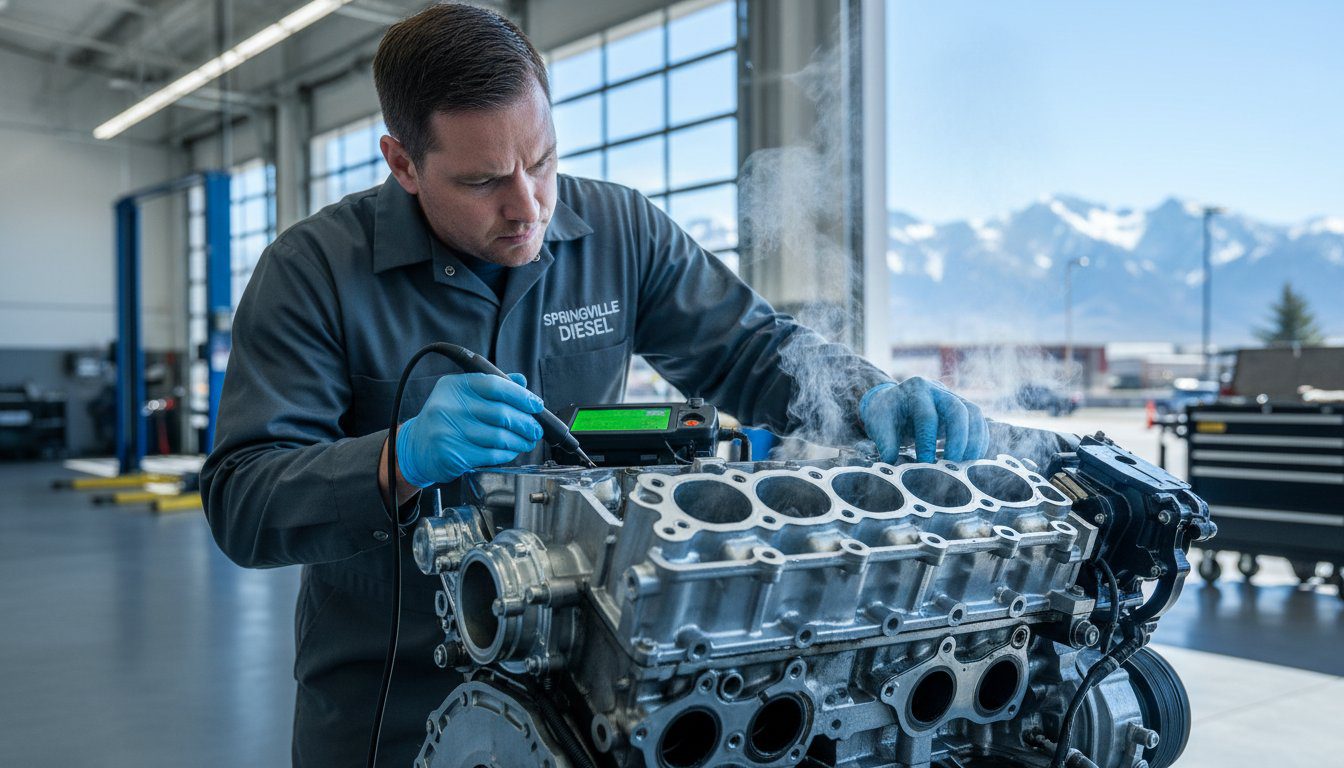
Signs of a Blown Head Gasket in Diesel Engines: The 2026 Diagnostic Guide

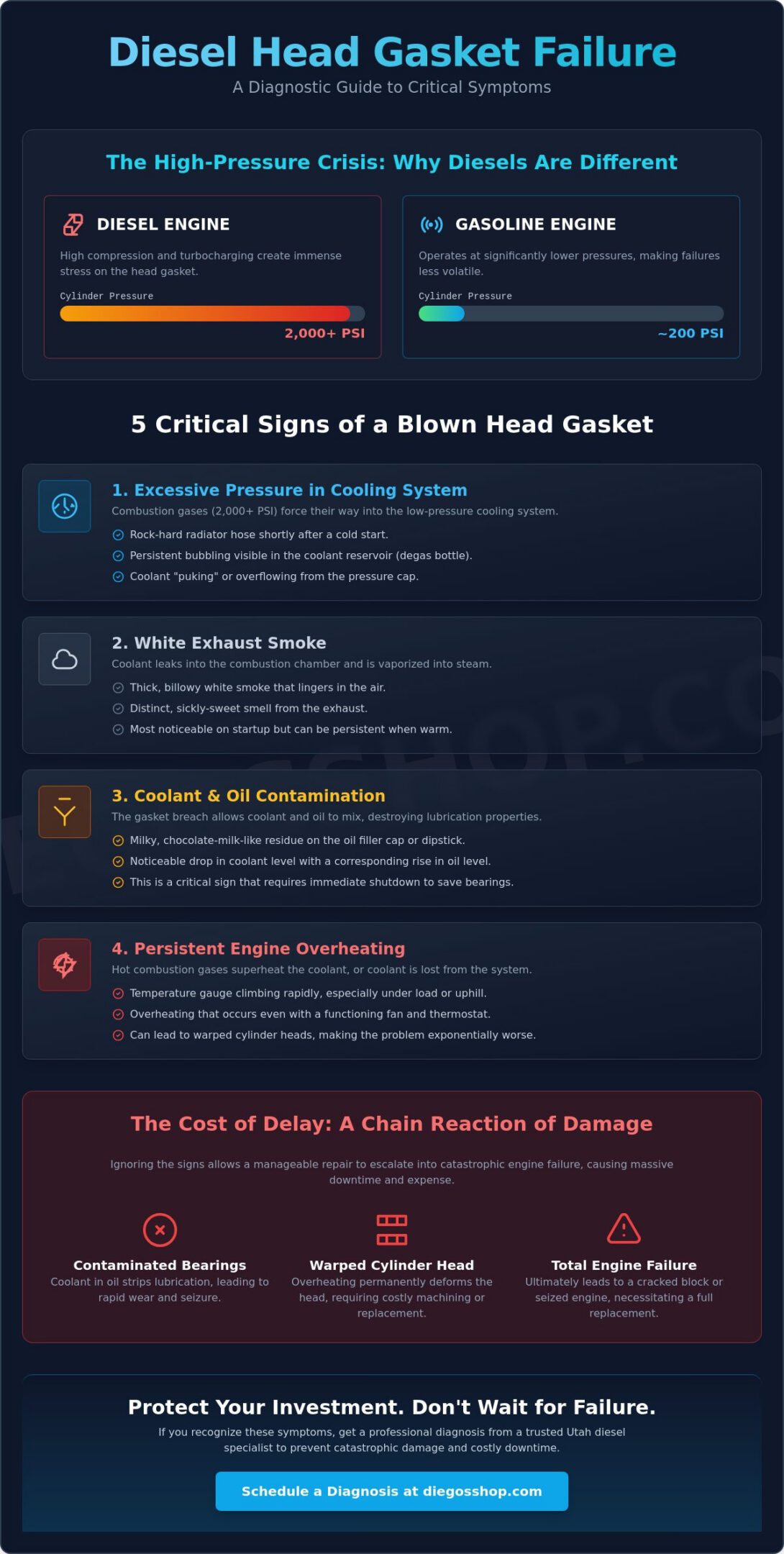
In a high-compression diesel engine, a head gasket failure isn’t just a simple leak; it’s a pressure-management crisis that can compromise your entire engine block in seconds. With cylinder pressures often exceeding 2,000 psi, your head gasket is the only thing standing between a routine service and a total engine replacement. We understand the immediate stress that comes with seeing white smoke or an erratic temperature gauge. It’s natural to worry about a massive repair bill or the loss of revenue that comes when your truck is out of commission. You might even feel frustrated by symptoms that seem to mimic a failing EGR cooler or a water pump.
This diagnostic guide will help you identify the definitive signs of a blown head gasket in diesel so you can intervene before the damage becomes catastrophic. By catching these warnings early, you’ll protect your engine bearings from coolant contamination and avoid unnecessary downtime. We’ll outline the exact symptoms to watch for, explain the urgency of the repair, and show you how to find a trustworthy Utah diesel specialist who understands the demands of heavy-duty machinery.
Key Takeaways
- Understand how high peak firing pressures and turbochargers make diesel head gasket failure more complex than standard gasoline engine leaks.
- Identify the five specific signs of a blown head gasket in diesel to distinguish between harmless condensation and a critical seal breach.
- Learn the professional diagnostic protocols used to confirm failure, including why standard chemical tests often provide inconclusive results for diesel owners.
- Discover why a long-lasting repair depends on precise cylinder head machining to ensure a perfectly flat sealing surface for your new gasket.
- Gain the knowledge needed to protect your equipment and prevent the massive downtime associated with catastrophic engine failure.
What is a Diesel Head Gasket and Why Does It Fail?
The head gasket serves as the most critical seal within your engine, sitting firmly between the cylinder head and the engine block. In a diesel environment, the diesel head gasket is the primary pressure barrier in a 18:1+ compression environment. Unlike gasoline engines, which typically operate at much lower ratios, diesel powerplants generate immense internal force that tests every component. If any of the internal systems breach the gasket’s barrier, you’ll begin to see the early signs of a blown head gasket in diesel engines. Gaining a foundational understanding of What is a Head Gasket? helps clarify why these seals are so vulnerable to the extreme environments found in heavy-duty blocks.
This gasket must simultaneously manage three distinct systems to keep your truck on the road:
- High-pressure combustion gases: Containing the explosive force of the firing stroke within the cylinder.
- Oil flow: Maintaining pressurized lubrication pathways between the head and block.
- Coolant circulation: Regulating engine temperature by allowing fluid to pass across the seal without entering the cylinders.
The Role of Extreme Cylinder Pressure
Modern diesel engines rely heavily on turbocharging to produce the torque required for heavy-duty work. While a standard gasoline engine might see 10 to 15 PSI of boost, a heavy-towing diesel can regularly push 30 to 50 PSI. In specialized or high-output applications, boost levels can even exceed 75 PSI. This extreme pressure places a constant, rhythmic stress on the gasket material. Every time the cylinder fires, the gasket is subjected to thousands of pounds of force that attempt to push it out of place. Over time, repeated heat cycles cause the cylinder head and engine block to expand and contract at slightly different rates. This movement can eventually scrub the gasket material away, turning a microscopic leak into a catastrophic failure far faster than in a gasoline engine.
Common Causes of Failure in Modern Diesels
Overheating remains the most frequent reason for gasket failure. When a water pump fails or the cooling system is neglected, the cylinder head can warp, breaking the seal. However, many failures are also tied to the mechanical limits of the engine’s fasteners. Improper torqueing of head bolts during previous repairs or the use of aftermarket tuning that exceeds factory design limits can lead to disaster. Heavy-towing applications are particularly susceptible to the “lifting head” phenomenon. This occurs when cylinder pressures become so high that they actually stretch the factory head bolts. This creates a momentary gap where high-pressure combustion gases burn through the gasket material. Once this path is established, the high-velocity gases act like a torch, quickly eroding the metal surfaces. Identifying the signs of a blown head gasket in diesel early can save the block from this permanent damage.
5 Critical Signs of a Blown Head Gasket in Diesel Engines
Detecting a failure early is the difference between a manageable repair and a complete engine swap. While some leaks are external and visible as crusty deposits on the engine block, the most dangerous failures are internal. These internal breaches allow high-pressure combustion gases, coolant, and oil to mix. This leads to the rapid degradation of vital engine components. Understanding the specific signs of a blown head gasket in diesel engines allows you to act before the damage spreads to the crankcase and bearings.
Excessive Pressure in the Cooling System
In a healthy diesel engine, the cooling system operates under a controlled amount of pressure. When a head gasket fails, the 2,000+ PSI of combustion pressure forces gas into the coolant passages. You can often see this as persistent bubbling in the degas bottle or coolant reservoir while the engine is running. A reliable field test is checking the upper radiator hose before the engine reaches full operating temperature. If the hose is rock hard shortly after a cold start, it indicates that combustion gases are over-pressurizing the system. This often leads to the reservoir “puking” coolant out of the pressure cap, a classic symptom that many owners mistake for a simple thermostat or cap issue.
Exhaust Smoke and Fluid Contamination
The color and smell of your exhaust provide immediate diagnostic clues. White, billowy smoke that lingers in the air usually indicates coolant is being burned in the combustion chamber. This smoke often has a distinct, sickly-sweet odor. If you notice gray or blue smoke, it may suggest that oil is bypassing the gasket seal. The most severe sign is the “milkshake” effect. When coolant mixes with engine oil, it creates a thick, tan, or foamy substance on the dipstick. This contaminated oil loses its lubricating properties instantly. Because the cost of replacing a head gasket is significant, it’s tempting to delay, but running an engine with “milky” oil will lead to a seized motor within miles. If you see these signs, scheduling a professional diesel engine repair is the only way to save the block.
Performance Loss and Rough Idling
A breached gasket causes a localized loss of compression, which manifests as a rough idle or a consistent misfire. For commercial fleets operating in Utah’s mountainous terrain, this performance loss becomes glaringly obvious under load. You’ll notice the truck struggling on grades it used to handle with ease. You might also experience difficult cold starts. This happens because coolant can seep into the cylinder overnight. In extreme cases, this leads to “hydro-locking,” where the piston cannot move because the liquid won’t compress, potentially snapping a connecting rod. Catching these signs of a blown head gasket in diesel early prevents these high-impact mechanical failures.
Why Diesel Head Gasket Failure is Different from Gasoline Engines
Diesel engines are built for durability, but their high-pressure architecture creates a violent failure environment when a seal breaks. Unlike gasoline engines that rely on spark ignition, diesels use extreme compression to ignite fuel. This results in Peak Firing Pressures (PFP) that far exceed anything found in a standard car. When you notice the signs of a blown head gasket in diesel, you’re witnessing the result of thousands of pounds of force escaping through a breach. While a gasoline engine might suffer from a minor vacuum leak, a diesel leak often turns into a high-velocity torch that can erode metal in minutes.
The presence of a turbocharger adds another layer of complexity. Modern diesel trucks often run boost levels of 30 to 50 PSI, with some high-output applications reaching 75+ PSI. This boost pressure can actually over-pressurize the cooling system from the “outside in,” forcing air into the coolant before the engine even gets hot. Additionally, commercial diesel blocks are typically made of heavy cast iron. While this material is incredibly strong, it holds heat significantly longer than the aluminum blocks used in gasoline vehicles. This prolonged heat soak means that even after you turn the key off, a warped head can continue to pull away from the block, worsening the damage while the truck sits idle.
The Impact on Commercial Fleet Operations
Commercial operators face a different set of stakes when a gasket fails. A blown gasket in a medium-duty truck isn’t just an engine issue; it often leads to downstream damage in the turbocharger or the Diesel Particulate Filter (DPF). If coolant enters the exhaust stream, it can coat the expensive precious metals in the DPF, leading to a permanent clog. The cost of downtime is the real killer for a business. A repair that might cost a few thousand dollars can quickly escalate into a $20,000 engine replacement if a cylinder hydro-locks or the bearings seize. Implementing a robust fleet maintenance program is the most effective way to catch these issues through oil analysis and cooling system pressure tests before they lead to a roadside breakdown.
Internal vs. External Gasket Leaks
Not all gasket failures look the same. External leaks are the “visible mess” where you see oil or coolant weeping down the side of the engine block. While these require attention, they are often better news because the fluids aren’t mixing internally. Internal leaks are the “hidden killers.” These occur when combustion gases enter the coolant, or worse, when coolant enters the oil supply. You might not see a single drop of fluid on the ground, but the internal contamination is actively destroying your engine’s ability to lubricate itself. Recognizing the early signs of a blown head gasket in diesel is your only defense against this invisible destruction.
Professional Diagnostic Tests for Blown Head Gaskets
Confirming a failure requires more than a visual inspection. While identifying the visual signs of a blown head gasket in diesel is a critical first step, a professional diagnosis provides the certainty needed before starting a labor-intensive repair. Master technicians use a series of specialized tests to isolate the breach and rule out adjacent components like the EGR cooler or oil cooler. This systematic approach ensures you aren’t paying for a major teardown when a simpler cooling issue is the culprit. Precision is the only way to protect your engine and your budget.
The Chemical Combustion Leak Test
The “Block Test” is a common starting point. This procedure uses a specialized tool that draws air from the cooling system through a blue chemical fluid. If the fluid changes color from blue to yellow, it confirms the presence of carbon dioxide (CO2) in the coolant. Because diesel engines produce very little CO2 at idle, this test can sometimes provide a false negative for a diesel truck. To get an accurate reading, the test must often be performed while the engine is under a simulated load or immediately after a hard drive. This ensures the cylinder pressures are high enough to force gases through the gasket breach and into the cooling system.
Cylinder Pressure and Leak-Down Testing
A leak-down test is the gold standard for pinpointing the exact location of a failure. During this process, we remove the fuel injectors and apply regulated compressed air directly into each cylinder while it is at top dead center. If the head gasket is compromised, the air will escape into the cooling system, causing visible bubbles to rise in the radiator or degas bottle. This doesn’t just prove the gasket has failed; it tells us exactly which cylinder is the problem. This level of detail is vital for determining if the cylinder head itself is cracked or if the block requires machining. You can access professional diesel diagnostics services to get this definitive answer before the damage escalates.
Beyond pressure tests, we often use high-definition borescopes to inspect the combustion chamber. If a gasket has been leaking coolant for some time, the affected piston will often look “steam cleaned.” The coolant literally washes away the normal carbon buildup, leaving a suspiciously clean metal surface compared to the other cylinders. We also utilize cooling system pressure testers to find slow, external leaks that only appear when the engine is at full operating temperature. If your truck is struggling under load, don’t rely on guesswork. Contact Diego’s Shop for a diesel engine repair consultation to verify your engine’s integrity with professional-grade equipment.
Expert Diesel Repair and Head Gasket Replacement in Utah
When you recognize the signs of a blown head gasket in diesel, the next decision determines the longevity of your engine. For owners along the Wasatch Front, finding a specialist who understands the unique stresses of mountain driving is essential. Diego’s Shop provides a professional alternative to overpriced dealerships by focusing on technical precision and durable results. We don’t just replace parts; we restore the structural integrity of your engine to ensure it can handle the heavy-duty demands of commercial work. Our reputation in Springville and Utah County is built on a no-nonsense approach to complex diesel engine repair.
A successful head gasket replacement requires more than just a new seal. Because diesel engines operate under extreme heat and pressure, the cylinder head often warps or develops microscopic cracks during a failure. Slapping a new gasket onto a surface that isn’t perfectly flat is a recipe for immediate repeat failure. We prioritize machining the cylinder head to ensure a flawless mating surface. By using high-quality fasteners and commercial-grade gaskets, we provide a seal that exceeds factory specifications. This commitment to quality is why fleet owners trust us to handle their most critical equipment.
The Diego’s Shop Repair Protocol
Our diagnostic and repair process is thorough and transparent. Once the engine is disassembled, we perform a comprehensive cleaning and inspection of both the head and the block surfaces. We use pressure testing and magnafluxing to check for internal cracks in the cylinder head that the naked eye can’t see. This meticulous attention to detail prevents the frustration of a “finished” repair that still has underlying issues. Every step of our process is designed to deliver reliable, warrantied repair work that gives you peace of mind and keeps your revenue-generating vehicles in service.
Serving Springville and the Wasatch Front
Utah’s geography places incredible strain on diesel engines. Whether you are hauling heavy loads through Spanish Fork Canyon or maintaining high speeds on I-15, your head gasket must manage extreme thermal cycles. We have specialized tools and deep expertise for the Ford Powerstroke, Cummins, and Duramax platforms. We understand the specific failure points of each engine, from the head bolt stretch issues in older Powerstrokes to the cooling system vulnerabilities in modern Duramax units. Our local expertise ensures your truck is prepared for the steep grades and high elevations of the Intermountain West.
Don’t let a suspected leak turn into a $20,000 engine replacement. If you have noticed the signs of a blown head gasket in diesel, getting a definitive answer is the only way to protect your investment. We provide the technical skill of a master craftsman with the personal accountability of a local business. Schedule your diesel diagnostic at Diego’s Shop today and get your truck back to peak performance. Quality service. Proven results.
Protect Your Engine with Professional Diesel Diagnostics
Ignoring the early warning signs of a blown head gasket in diesel leads to more than just a minor inconvenience; it creates a direct path for catastrophic engine failure. By understanding the critical difference between external leaks and internal combustion gas transfer, you can take control of your vehicle’s maintenance before repair costs spiral out of reach. Professional diagnostics remain the only reliable way to confirm a breach and rule out simpler, less expensive cooling system issues.
At Diego’s Shop, we utilize specialized diesel tools to provide definitive answers and precision repairs for your heavy-duty equipment. We have been proudly serving Utah County fleets for years with a focus on durability and technical excellence. Our warrantied repair work ensures that your truck is prepared for the steep grades and demanding loads of the Wasatch Front. Don’t wait for a roadside breakdown to address performance loss or cooling system pressure issues. We have the capability to handle complex engine work with the accountability you expect from a master craftsman.
Get an Expert Diesel Diagnostic in Springville, UT
Your truck is a vital business asset. We are committed to helping you maintain its power and reliability for the long haul.
Frequently Asked Questions
Can I drive my diesel truck with a blown head gasket?
No, you should stop driving immediately to prevent permanent engine damage. Operating a diesel engine with a compromised gasket risks hydro-locking, which occurs when coolant enters the cylinder and prevents the piston from completing its stroke. This can snap connecting rods or crack the engine block. Furthermore, coolant will contaminate your oil, destroying the lubrication required for your bearings and leading to a total engine seizure.
How much does it cost to fix a blown head gasket in a diesel truck?
The total investment for this repair depends on the specific engine platform and the extent of the internal damage. Labor is the most significant factor because these jobs are incredibly intensive. For example, a Duramax engine often has a book time of approximately 40 hours for a head gasket replacement. You must also account for the cost of professional cylinder head machining and high-quality replacement fasteners to ensure a lasting seal.
What is the most common reason for a diesel head gasket to blow?
Sustained engine overheating is the primary cause of gasket failure in diesel engines. When temperatures rise beyond safe limits, the cylinder head can warp or expand at a different rate than the block, which breaks the gasket’s seal. High cylinder pressures from turbochargers and heavy towing also place immense stress on the head bolts. Over time, these bolts can stretch, allowing combustion gases to burn through the gasket material.
Will a blown head gasket cause white smoke from the exhaust?
Yes, thick white smoke is a common indicator that coolant is entering the combustion chamber. As the engine fires, the heat turns the intruding coolant into steam, which then exits through the tailpipe. This smoke is typically billowy and has a distinct, sweet smell. It’s different from the blue smoke caused by burning oil or the black smoke caused by an improper air-to-fuel ratio.
How do I know if it’s a blown head gasket or a bad EGR cooler?
Differentiating between these two requires a professional pressure test. A failed EGR cooler usually allows coolant into the exhaust stream without significantly over-pressurizing the cooling system. However, one of the primary signs of a blown head gasket in diesel is the presence of combustion gases in the coolant reservoir. If your radiator hoses are rock hard shortly after a cold start, the gasket is likely the culprit.
Does a blown head gasket always mean the engine is ruined?
A blown gasket does not mean your engine is ruined if you catch the problem early. If the failure is identified before coolant has a chance to wash out the main bearings or cause the engine to hydro-lock, a professional repair will restore the engine to peak condition. The key is to stop driving as soon as symptoms appear to avoid the need for a complete engine replacement.
What are the signs of a small head gasket leak in a diesel?
Small leaks often manifest as a slow, unexplained loss of coolant over several weeks without any visible puddles on the ground. You might also notice slight bubbling in the degas bottle or a brief rough idle during cold starts. These subtle signs of a blown head gasket in diesel are easy to ignore, but they indicate that the seal is failing and will eventually lead to a major breakdown.
How long does it take a shop to replace a diesel head gasket?
Most professional shops require three to five business days to complete this repair correctly. The process involves extensive disassembly of the engine’s top end, followed by sending the cylinder heads to a machine shop for resurfacing and pressure testing. Meticulous reassembly and final diagnostic testing are required to ensure the engine meets factory specifications before it is returned to service.