
Cost-Effective Fleet Repair Solutions: Maximizing ROI in 2026

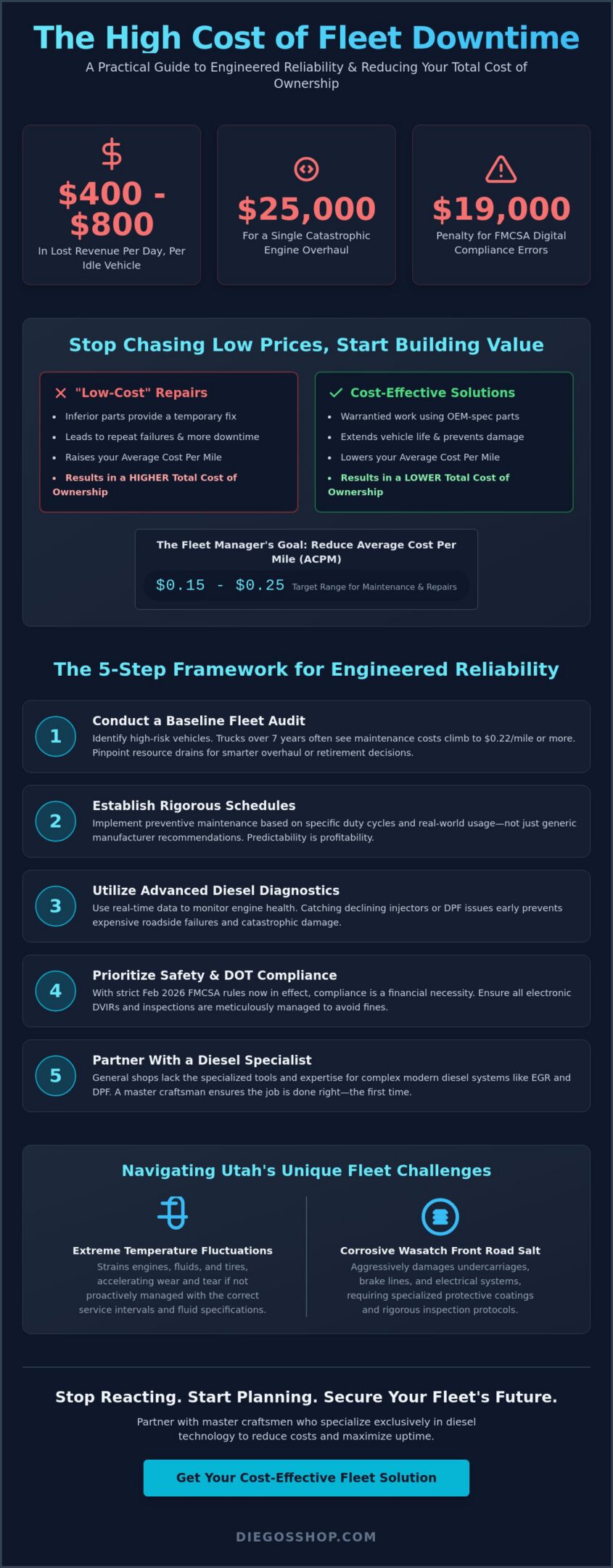
Every day a single service vehicle sits idle in a repair bay, your fleet loses between $400 and $800 in revenue. You’re likely feeling the pressure of rising diesel parts costs and the strict new FMCSA digital mandates that took effect in February 2026. Finding cost-effective fleet repair solutions isn’t just about hunting for the lowest invoice. It’s about preventing the catastrophic failures that lead to $25,000 engine overhauls and avoiding $19,000 fines for compliance errors. We know that unpredictable downtime and failed DOT inspections are more than just minor headaches; they’re direct threats to your business’s stability.
This article reveals how to slash downtime and reduce your total cost of ownership through engineered maintenance and specialized diesel expertise. We’ll explore how to move away from reactive “fix it when it breaks” habits and toward a predictable budget that favors vehicle longevity. You’ll learn how a reliable local partner in Springville can help you master the new electronic DVIR requirements and keep your heavy-duty assets earning. It’s time to stop worrying about the next breakdown and start maximizing your ROI through technical precision and accountability.
Key Takeaways
- Learn the critical difference between low-cost repairs and cost-effective fleet repair solutions that prioritize long-term savings through warrantied work.
- Establish a five-step maintenance framework starting with a comprehensive fleet audit to identify high-risk vehicles and prevent catastrophic failures.
- Discover how specialized diesel expertise protects complex emission systems like EGR and DPF from preventable and expensive engine damage.
- Understand how to mitigate Utah-specific operational risks, including extreme temperature fluctuations and the corrosive effects of road salt on the Wasatch Front.
- Extend the lifespan of your light, medium, and heavy-duty assets by partnering with master craftsmen who specialize exclusively in diesel technology.
What Are Cost-Effective Fleet Repair Solutions?
True cost-effective fleet repair solutions represent a calculated balance between rigorous preventive maintenance and high-quality warrantied work. In the current 2026 economic climate, many managers confuse “low-cost” with “cost-effective.” A low-cost repair often relies on inferior parts or unseasoned labor to provide a temporary fix. In contrast, a cost-effective approach focuses on long-term savings by ensuring every repair extends the vehicle’s operational life. Effective fleet management requires a shift in perspective from the immediate invoice to the total value delivered over the next 100,000 miles.
For fleet managers in 2026, the primary metric of success is reducing the Average Cost Per Mile (ACPM). Current data suggests that owner-operators should budget between $0.15 and $0.25 per mile for maintenance and repairs. If your costs are trending higher, it’s often due to a reactive repair cycle. We advocate for “Engineered Reliability,” which is the practice of applying technical precision to every service. This means doing the repair right the first time to eliminate the need for repeat visits and the frustration of recurring failures. It’s a no-nonsense approach that prioritizes the durability of your heavy-duty assets.
The True Cost of Vehicle Downtime
When a service vehicle is out of commission, the financial impact extends far beyond the repair bill. A typical small fleet loses between $400 and $800 in revenue for every day a truck sits idle. These hidden costs include lost labor hours, missed delivery windows, and potential damage to your reputation. Emergency repairs are a significant drain on your budget, as they typically cost 3 to 4 times more than scheduled maintenance. From a master craftsman’s perspective, precision isn’t a luxury; it’s a requirement to keep your fleet on the road and your business profitable.
Total Cost of Ownership (TCO) vs. Initial Repair Price
Evaluating a repair quote based solely on the bottom line is a mistake that leads to higher TCO. Inferior aftermarket parts may save money today, but they rarely match the lifespan of OEM-spec components. When you invest in warrantied repair work, you’re protecting your business’s bottom line against premature component failure. Use this framework for your next repair evaluation:
- Durability: Will this part last for the full service interval?
- Warranty: Does the shop stand behind their labor and parts?
- Lifecycle Impact: Does this repair prevent secondary damage to more expensive systems?
Choosing a partner who understands these variables is the only way to achieve a predictable maintenance budget. High-quality diesel service is an investment in the future of your fleet.
5 Steps to Implementing a Cost-Effective Maintenance Framework
Transitioning from reactive repairs to a structured framework is the most reliable way to stabilize your operating budget. Finding cost-effective fleet repair solutions requires a shift in strategy. You must move away from addressing symptoms and start managing the health of your entire asset list. This five-step roadmap provides a clear path to reducing your Average Cost Per Mile and ensuring your vehicles remain on the road.
- Step 1: Conduct a baseline fleet audit. Identify high-risk vehicles immediately. Research from 2026 shows that trucks over seven years old often see maintenance costs climb to $0.22 per mile or more. Knowing which units are draining your resources allows for smarter retirement or overhaul decisions.
- Step 2: Establish rigorous schedules. Implement preventive maintenance based on specific duty cycles rather than generic manufacturer recommendations.
- Step 3: Utilize advanced diesel diagnostics. Use real-time data to monitor engine health trends. Catching a declining injector before it fails prevents expensive roadside service calls.
- Step 4: Prioritize safety and DOT compliance. With the February 2026 FMCSA rules now in full effect, penalties for falsifying inspection records can reach $19,000. Prioritizing compliance is a financial necessity.
- Step 5: Partner with a specialist. General shops often lack the specialized tools required for complex diesel systems. A dedicated partner ensures technical mastery and faster turnaround times.
The Role of Advanced Diagnostics
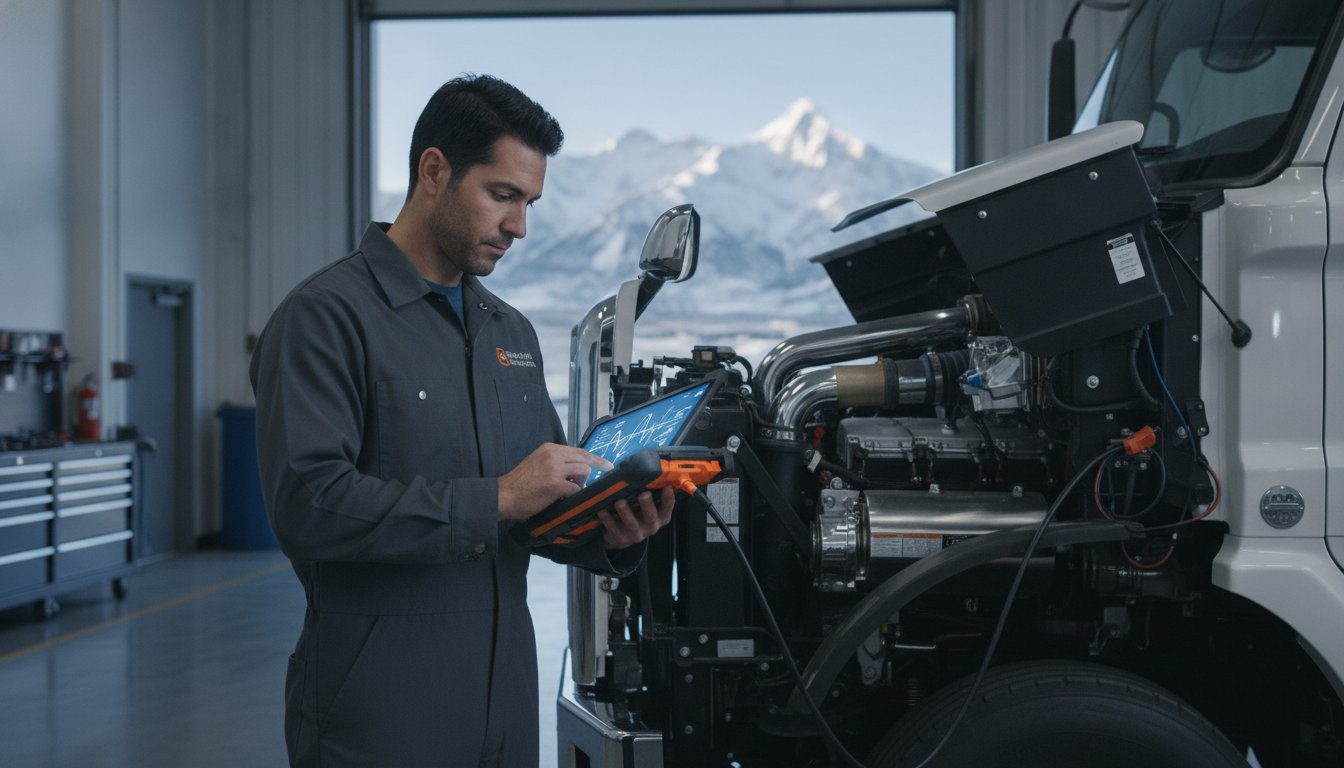
Modern diesel engine management is too complex for trial-and-error repairs. It requires specialized scanners and a master craftsman’s touch to interpret data correctly. Fault code analysis can predict turbocharger or fuel system failures weeks before they cause a breakdown. When you work with a diesel specialist, you benefit from efficient troubleshooting that general mechanics simply cannot match. This precision is the cornerstone of cost-effective fleet repair solutions because it eliminates the high cost of misdiagnosis.
Customizing Schedules for Your Duty Cycle
A long-haul Peterbilt has different needs than a local Isuzu dump truck working in the Wasatch Front. Utah’s steep mountain terrain and extreme temperature swings place unique stress on diesel engines. Standard oil change intervals often fall short for vehicles operating in these “Severe Service” conditions. If your trucks are regularly climbing canyons, your maintenance checklist should include more frequent checks for cooling system integrity and brake wear. You can consult with our team to build a customized schedule that accounts for these local environmental factors. This tailored approach ensures your equipment stays durable regardless of the workload.
Technical Mastery: How Specialization Saves You Money
Modern diesel engines have evolved into sophisticated systems where mechanical power meets complex chemical filtration. The integration of Exhaust Gas Recirculation (EGR), Diesel Particulate Filters (DPF), and Selective Catalytic Reduction (SCR) has made maintenance more challenging than ever. General repair shops often struggle with these systems, leading to “parts cannon” diagnostics where components are replaced until the problem disappears. This trial-and-error approach is the opposite of cost-effective fleet repair solutions. Technical mastery allows a specialist to pinpoint the exact failure point, saving you from inflated labor hours and unnecessary parts markups.
Precision is particularly vital when servicing EGR systems. An improper service or a misdiagnosed leak can lead to carbon buildup that eventually destroys your engine’s top end. When a master craftsman handles your fleet, they don’t just clear fault codes; they understand the narrative the data is telling. Faster troubleshooting translates directly into lower labor costs and less time your equipment spends taking up space in a shop. We believe that accountability is the foundation of a successful partnership. That’s why warrantied repair work is a non-negotiable standard for commercial fleets. It eliminates the risk of “re-repair” costs and ensures the job is done right the first time.
EGR and DPF: The Profit Killers
Emission control systems are the primary cause of modern diesel downtime. These systems fail when soot levels exceed the filter’s capacity, often due to underlying issues like faulty injectors or turbocharger wear. Proactive cleaning is a financial necessity, as it’s significantly more affordable than a total system failure. In 2026, the cost-benefit ratio of scheduled DPF cleaning provides a massive return on investment when compared to the high price of emergency filter replacement and the associated loss of revenue. Our specialized technicians identify the root cause of soot buildup to ensure that a cleaned filter doesn’t just plug up again a week later.
Engine Longevity and Component Protection
Extending the lifespan of a heavy-duty asset requires more than just fixing what’s broken. It demands a commitment to high-quality lubricants and filters that meet or exceed OEM specifications. Inferior filters allow microscopic contaminants to bypass the media, causing premature wear on bearings and cylinder walls. Cooling system maintenance is another critical factor that’s often overlooked. A diesel engine’s cooling system must manage extreme thermal loads; even a minor imbalance in coolant chemistry can lead to liner pitting and catastrophic failure. At Diego’s Shop, we treat every fleet vehicle as a high-value asset. We focus on the small details of component protection because we know that durability is the only way to maximize your ROI.
Utah Fleet Management: Navigating Local Challenges
Utah’s diverse terrain and harsh weather conditions create a punishing environment for commercial vehicles. Operating along the Wasatch Front involves urban congestion one hour and steep mountain grades the next. These factors accelerate vehicle wear and tear, making generic maintenance plans insufficient. To achieve cost-effective fleet repair solutions, you need a strategy that accounts for the specific stressors of the Intermountain West. We focus on the variables that matter most in this region, ensuring your equipment remains durable regardless of the elevation or the forecast. Elevation changes matter.
The corrosive effects of road salt are a constant threat to your fleet’s integrity. During winter months, salt and de-icing chemicals accumulate on chassis components and brake lines, leading to rapid oxidation and potential system failure. Regular undercarriage cleanings and inspections are essential to prevent these hidden costs from ballooning. Additionally, the I-15 corridor features significant elevation changes that put immense pressure on cooling systems. A truck climbing a mountain pass with a heavy load requires a cooling system in peak condition to avoid overheating. Salt destroys brakes. We prioritize cooling system integrity to keep your assets moving safely through the canyons.
Compliance is equally critical. Utah law now requires insurance companies to disclose the use of aftermarket parts, mandating they be equivalent in quality and performance to OEM components. We provide reliable DOT truck inspections to ensure your vehicles meet every safety standard and regulatory requirement. This proactive approach prevents the administrative delays and penalties that can derail a small fleet’s profitability. Staying ahead of these regulations is a financial necessity for any professional operation.
Springville and Utah County Logistics
Diego’s Shop serves as the central hub for fleets operating throughout Springville, Spanish Fork, and the surrounding Utah County area. We understand the tight margins of local construction and delivery fleets. Having a local partner means you benefit from rapid turnaround times and a team that speaks your language. We prioritize keeping local equipment moving because we know that when your trucks stop, your revenue stops. Our location is strategically positioned to support the hardworking businesses that drive the local economy.
Cold Weather Diesel Preparation
Utah’s winter temperatures can compromise diesel fuel systems overnight. Cold weather causes diesel to “gel,” clogging filters and preventing starts. Inspecting fuel heaters and glow plugs before the first freeze is a mandatory part of our seasonal protocol. We also advise on the use of winter-grade fuel and additives to maintain performance in sub-zero conditions. Use this Utah Winter readiness checklist to protect your investment:
- Test battery health and charging system output.
- Inspect block heaters and power cords for damage.
- Verify heater and defroster functionality for driver safety and visibility.
- Check coolant freeze point and PH balance to prevent internal engine damage.
Don’t let the Utah terrain dictate your uptime. You can contact Diego’s Shop today to stabilize your maintenance costs and protect your fleet.
Why Partner with Diego’s Shop for Fleet Repair?
Selecting a service provider is the most critical decision a fleet manager makes. At Diego’s Shop, you gain access to seasoned master craftsmen who specialize exclusively in diesel technology. We don’t operate as a generalist shop. We focus our expertise on the complex systems that keep light, medium, and heavy-duty vehicles in motion. From Ford and Isuzu work trucks to Kenworth and Peterbilt long-haulers, we speak the language of your equipment. This dedicated focus is the only way to ensure cost-effective fleet repair solutions that withstand the rigors of commercial use.
Our approach is built on the foundation of preventive protocols. We don’t wait for a component to shatter before we recommend action. By catching a degrading injector or a failing seal during a routine check, we save you from the exponential costs of secondary engine damage. We believe that technical mastery should lead to faster turnarounds and higher vehicle availability. Our shop is designed to get your assets back into the revenue-generating lane as quickly as possible. Quality is our signature.
Our Commitment to Integrity and Accountability
We handle personal accountability for every repair. Our no-nonsense approach to fleet management means you’ll never deal with unnecessary upsells or vague diagnostic reports. We focus on the durability of the work performed because your reputation depends on the reliability of your trucks. Every service is backed by our commitment to warrantied work, providing the peace of mind business owners need to focus on growth rather than breakdowns. Honest service is our standard.
Getting Started with a Custom Fleet Plan
Every fleet has a unique duty cycle and operational tempo. We invite you to schedule a consultation to build a tailored maintenance program that aligns with your specific business goals. Our onboarding process at our Springville facility begins with a comprehensive audit of your current assets to identify immediate risks and long-term opportunities for savings. This data-driven start ensures your new plan is effective from day one. Implementing cost-effective fleet repair solutions requires a partner who values your bottom line as much as you do.
Take Control of Your Maintenance Budget Today
Managing a fleet in 2026 requires more than just reactive fixes. It demands a strategic framework where technical mastery meets local accountability. By prioritizing preventive protocols and specialized diagnostics, you can significantly lower your total cost of ownership and avoid the steep fines of digital non-compliance. Technical precision in diesel systems like Peterbilt, Kenworth, and Isuzu ensures your heavy-duty assets remain durable despite Utah’s punishing terrain and extreme temperature swings. We’ve seen how precision in the shop translates directly to reliability on the road.
Securing cost-effective fleet repair solutions is about building a partnership based on integrity and warrantied work. We utilize specialized diagnostic technology to identify engine health trends weeks before they lead to revenue-killing downtime. This proactive approach gives you total control over your complex machinery and your bottom line. It’s time to stop worrying about the next breakdown and start focusing on your business’s growth.
Ready to stabilize your operating costs and maximize vehicle lifespan? Schedule a Fleet Maintenance Consultation at Diego’s Shop to develop a plan tailored to your specific duty cycle. Your fleet is a high-value investment, and we’re here to provide the expert care it deserves.
Frequently Asked Questions
How do I know if my fleet needs a more formal preventive maintenance plan?
You need a formal plan if your repair bills are unpredictable or if you’re consistently dealing with roadside failures. Reactive maintenance is often three to four times more expensive than scheduled service. If your fleet’s Average Cost Per Mile is rising above industry standards, a structured preventive program is the only way to stabilize your budget. We help you move away from emergency fixes and toward a reliable, data-driven maintenance schedule.
What are the most common causes of diesel fleet downtime in Utah?
Emission system failures and cooling system leaks are the most frequent causes of downtime for diesel fleets in Utah. The state’s extreme elevation changes put immense pressure on engines, while road salt accelerates the corrosion of brake lines and chassis components. Cold weather preparation is also vital to prevent fuel gelling. Addressing these local environmental stressors proactively is essential for maintaining high vehicle availability throughout the year.
Is it more cost-effective to use OEM or aftermarket parts for fleet repairs?
OEM-spec parts are almost always the better investment for cost-effective fleet repair solutions because they offer superior durability. While generic aftermarket alternatives might look cheaper on paper, they often fail prematurely, leading to repeat labor costs and more downtime. We focus on parts that meet exact manufacturer specifications. This ensures your repairs last for the full service interval and protects the long-term health of your diesel engine.
How often should my commercial trucks undergo a DOT inspection?
While the FMCSA mandates an annual inspection, we recommend quarterly safety checks for fleets with high mileage. Frequent inspections are the best defense against the strict digital compliance rules and $19,000 falsification fines that took effect in February 2026. Staying ahead of DOT requirements prevents costly delays at weigh stations. It also ensures that minor mechanical issues are caught before they become major safety liabilities or expensive repairs.
Can Diego’s Shop handle a mix of light-duty and heavy-duty diesel trucks?
Our facility is fully equipped to service everything from light-duty diesel pickups to heavy-duty Class 8 trucks. We have the specialized tools and technical mastery required for Isuzu, Ford, Peterbilt, and Kenworth systems. By specializing exclusively in diesel, we provide a level of expertise that general shops can’t match. Whether you operate a small delivery fleet or a large construction operation, we ensure every vehicle receives master-craftsman level care.
What is the average turnaround time for a standard fleet maintenance service?
We complete most preventive maintenance services within a single business day to keep your revenue-generating assets on the road. We know that downtime can cost your fleet up to $800 per day, so we prioritize efficiency and clear communication. By scheduling your service in advance, we ensure the necessary parts are ready and our technicians are prepared. This streamlined process minimizes your wait time while maintaining our strict standards for quality.
Do you offer warranties on your commercial fleet repair work?
We stand behind every job with warrantied repair work that guarantees the integrity of our labor and parts. Accountability is a cornerstone of our business, and we want you to have total confidence in the durability of our repairs. If a warrantied component fails, we handle the situation directly to ensure your business isn’t penalized. This commitment to quality is what makes us a reliable partner for local fleet managers in Springville.
How can advanced diagnostics lower my overall repair costs?
Advanced diagnostics allow us to see exactly how your engine is performing in real-time, which leads to cost-effective fleet repair solutions. Instead of guessing which part is failing, we use specialized scanners to pinpoint the root cause of fault codes. This precision reduces labor hours and prevents the replacement of healthy components. Catching a declining turbo or injector early can save you from a $25,000 engine overhaul later.